What it is
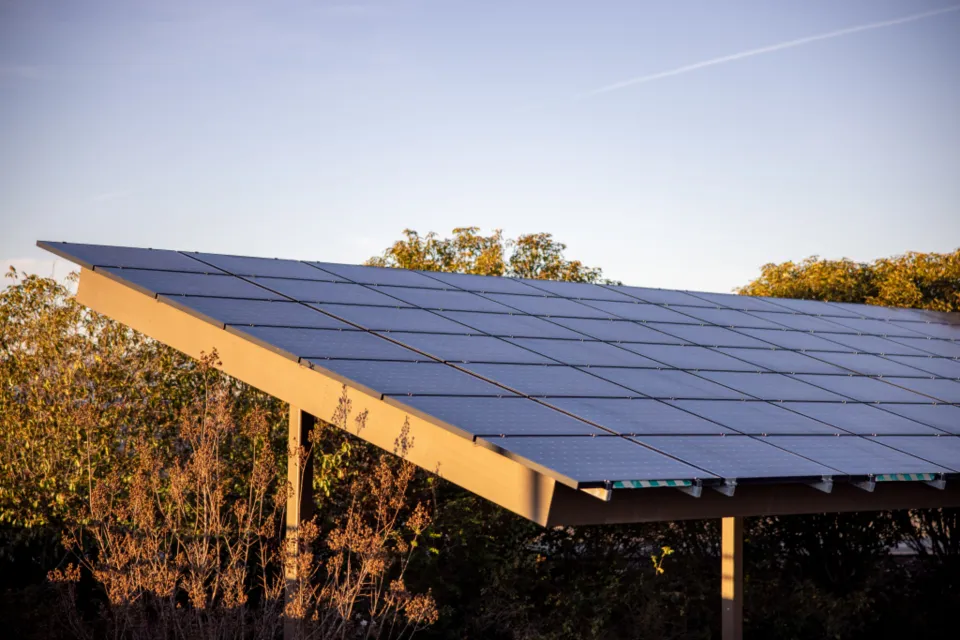
A home solar system is a small power plant built around a few key parts. Solar panels contain cells that produce direct current (DC) electricity when light hits them. An inverter converts that DC into the alternating current (AC) your lights, appliances and outlets use. Mounting hardware, wiring, safety disconnects and a monitoring tool complete the picture.
Through the day, the system generally produces more as the sun climbs and less as it sets. Your home uses that power first, and in many grid-tied setups extra electricity flows out to the utility grid. At night, or when production dips, the home draws from the grid again. Net metering is the name often given to the billing arrangement that may credit that exported power, but programs differ by state and utility and change over time.
Some systems add a battery to store extra energy for evenings or outages. This matters because a standard grid-tied system shuts down during a grid outage for safety, unless it is designed with storage and backup capability. Output, sizing, equipment choices and costs vary by home, location, utility and equipment, and should come from a written quote.
How it’s traditionally been approached
Traditionally, homeowners have started by looking at their electric bills, roof condition, shade and orientation, then asking how much of their usage they hope to offset. Many people research questions like how much solar they need, how long panels last, and whether solar is worth it before speaking with anyone.
Paying for solar has typically followed a few routes: paying cash, financing with a loan, or signing a lease or power purchase agreement (PPA) where a company owns the equipment. Each has different ownership, responsibility and long-term implications, and none is right for everyone. Reading the full contract matters with every option.
Incentives, rebates and net metering rules have shifted over the years and continue to change. Federal, state and utility programs are not something to assume. Confirm current details with the IRS or a tax professional, your state energy office and your utility before signing anything.
How the right solar installer may help
A good independent solar installer may help turn a pile of questions into a clear picture. A visit or consultation generally involves reviewing your bills, inspecting the roof and electrical panel, considering shade and direction, and discussing your goals, whether that is lower bills, backup power or greater energy independence.
Helpful questions to ask include: Are you licensed and insured for this work in my area? Who handles permits and utility interconnection? What equipment is proposed and what warranties apply to panels, inverter and workmanship? What happens to my system in an outage? What does monitoring and maintenance look like? Ask for everything in a written quote.
Be cautious of high-pressure sales, door-to-door pitches or pressure to sign the same day. Compare more than one quote, take your time, and read the full contract. Solar and battery work involves high-voltage electricity and roof work, so it belongs with licensed, insured professionals following local codes, permits and utility rules.
The bigger picture
Choosing solar is about more than equipment. For many households it touches peace of mind, a sense of preparedness and the desire for greater control over energy. It is also a significant financial decision, and feeling rushed or confused can add stress. Taking time to learn the basics often makes conversations calmer and more confident.
Whole-person thinking means weighing your budget, your plans for the home, and how much resilience you want during outages. If wider financial or wellbeing planning is on your mind, Providers.plus may be a helpful place to explore related resources. There is no single right path, and approaches like staying on the grid, adding solar, or adding storage can each fit different situations.
Keep in mind
- Costs, savings, production and payback vary by home, location, utility and equipment, so rely on a written quote rather than general claims.
- Incentives and net metering rules change; confirm with the IRS or a tax professional, your state energy office and your utility before you sign.
- Grid-tied systems without storage and backup design shut down during a grid outage.
- Never attempt DIY wiring; use licensed, insured professionals, proper permits and utility interconnection approval.
Guides in this topic
Solar installer types
Frequently asked questions
How do solar panels work?
Solar panels use cells that convert sunlight into direct current electricity. An inverter then changes it into alternating current your home can use. Any extra may flow to the grid or into a battery, depending on how the system is designed.
How much solar do I need?
It depends on how much electricity your household uses, your roof space, shade, and your goals. An installer may review your bills and property to suggest a size. Get the recommendation and its assumptions in a written quote.
Is solar worth it?
It depends on your home, location, utility rules, financing choice and goals, so there is no one answer for everyone. Comparing written quotes and confirming current incentives and net metering with your utility and a tax professional can help you decide.
Are solar panels for home use right for every roof?
Not always. Roof age, condition, direction, shade and structure all matter, and some properties may suit ground mounts or other options. A licensed installer can assess your site in person.
How long do solar panels last?
Panels are generally built to last many years, but lifespan and performance depend on equipment quality, installation and conditions. Inverters and other components may need service or replacement sooner. Ask about warranties for each part in writing.
Do solar panels work on cloudy days?
Yes, solar panels can still produce some electricity on cloudy days, though usually less than in full sun. Actual output depends on the equipment, your location and the conditions. An installer can explain what to expect for your home.
Educational resource. 2A Solar shares general information and connects people with independent solar installers. It is not professional advice. Talk with a qualified professional about your own situation.