What it is
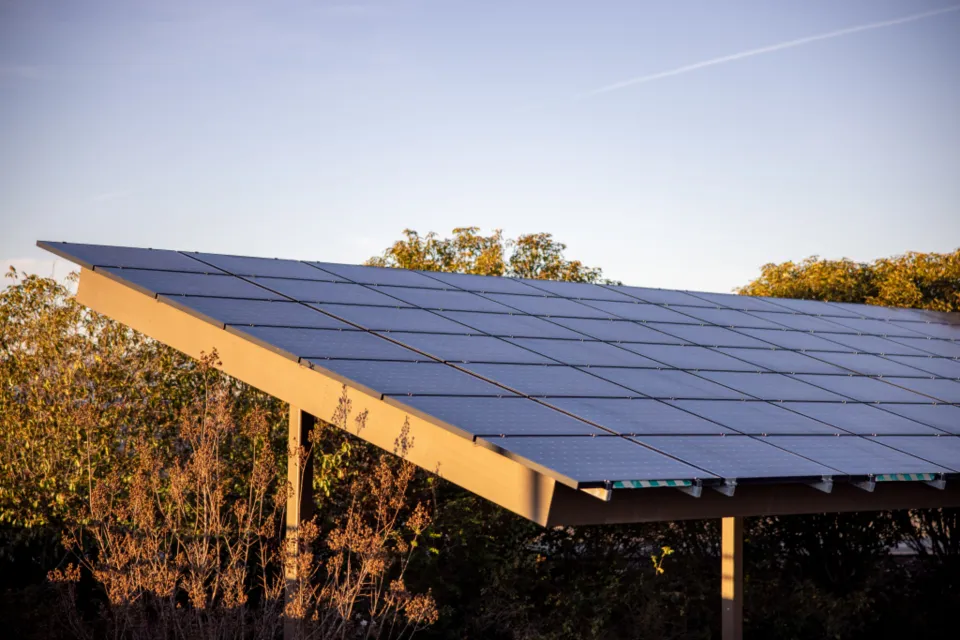
Solar panels are made of many small cells, usually built from silicon. When sunlight hits these cells, it knocks electrons loose and creates a flow of direct current (DC) electricity. This is called the photovoltaic effect, and it happens quietly, with no moving parts.
Most homes can't use DC power directly, so an inverter converts it into alternating current (AC), the type that runs lights, appliances and outlets. From there, the electricity flows through your electrical panel to power the home. If the system is connected to the utility grid, any extra may flow out to the grid, depending on your utility's rules.
A complete system also includes mounting hardware, wiring, safety shutoffs and often a monitoring tool that shows how the system is performing. Some homes add battery storage, which can hold energy for later use. How much power a system makes depends on the home, roof, shade, weather, location and equipment.
How it’s traditionally been approached
Traditionally, most homeowners have used rooftop solar as a grid-tied system. The panels and inverter work alongside the utility connection, so the home draws from solar when the sun is shining and from the grid when it isn't. Many people value this setup because it needs no battery to get started.
A key detail is that standard grid-tied systems generally shut down during a power outage, as a safety measure for utility workers. Homeowners who want power during outages have traditionally looked at systems designed with batteries or backup features. This is a design choice to discuss early with an installer.
Paying for solar has also been approached in different ways, including cash purchases, loans, leases and power purchase agreements. Each has different ownership, responsibility and contract terms. Incentives and utility billing programs vary by place and change over time, so it's wise to confirm current details with the IRS or a tax professional, your state energy office and your utility.
How the right solar installer may help
The right solar installer may help turn a general answer to 'how do solar panels work' into a clear picture for your own home. A visit often starts with a look at your roof, shade, electrical panel and how you use energy. They may explain what equipment suits your situation and how the system would connect to your utility.
Because solar and battery work involves high-voltage electricity and roof work, it should be done by licensed, insured professionals who follow local codes, permits and utility interconnection rules. A good installer may walk you through that process and explain what's handled for you and what isn't.
Helpful questions to ask include: What are your licenses and insurance? What equipment is proposed and what warranties come with it? What happens in an outage? Who handles permits and utility approval? What are the full contract terms, and who provides monitoring and repairs later? Always ask for a written quote, since costs, production and savings vary and should come from that document.
The bigger picture
Choosing solar is about more than equipment. It can touch your sense of preparedness, your monthly budget and your peace of mind about energy. Taking time to learn the basics first may help you feel more confident and less pressured when conversations with installers begin.
Money decisions can carry stress, and it's okay to move at your own pace. If the financial side feels heavy, a resource like Providers.plus may help you find supportive professionals. No single approach is right for everyone, and a careful, informed choice is a good one.
Keep in mind
- This page is educational only and is not financial, tax, legal or engineering advice.
- Incentives, rebates and net metering rules change; confirm with the IRS or a tax professional, your state energy office and your utility before signing.
- Be cautious with high-pressure sales or door-to-door pitches, and read the full contract before you sign.
- Never attempt DIY wiring; solar work should be done by licensed, insured professionals following local codes and permits.
Not sure where to start? Answer a few gentle questions and choose who you’d like to hear from.
Talk to a solar pro →Frequently asked questions
How do solar panels work in simple terms?
Solar panels turn sunlight into electricity using photovoltaic cells. An inverter then converts that power into the type your home uses. Any connection to the grid depends on your system design and utility rules.
Do solar panels work on cloudy days?
Yes, solar panels can still make electricity on cloudy days, though usually less than in full sun. Output varies with weather, season, shade and equipment. An installer can explain what to expect for your location in a written quote.
What does an inverter do in a solar panel system?
An inverter converts the DC electricity from your panels into AC electricity your home appliances use. It is a key part of the system and often connects to monitoring tools. Your installer can explain which type fits your home.
Will my solar panels work during a power outage?
Not always. Standard grid-tied systems typically shut down during an outage for safety reasons. A system designed with battery storage or backup capability may provide power, so ask about this before you buy.
Do solar panels need maintenance?
Solar panels generally have no moving parts, but they may still benefit from occasional checks, cleaning and monitoring. Needs vary by climate and equipment. Solar maintenance, repair and monitoring providers can help if something seems off.
How do I find a solar installer to learn more about solar panel installation?
Start by comparing licensed, insured installers and asking for written quotes. Ask about equipment, warranties, permits and contract terms. You can use the Talk to a solar pro option on our solar page on contacts.plus to take the next step.
Educational resource. 2A Solar shares general information and connects people with independent solar installers. It is not professional advice. Talk with a qualified professional about your own situation.