What it is
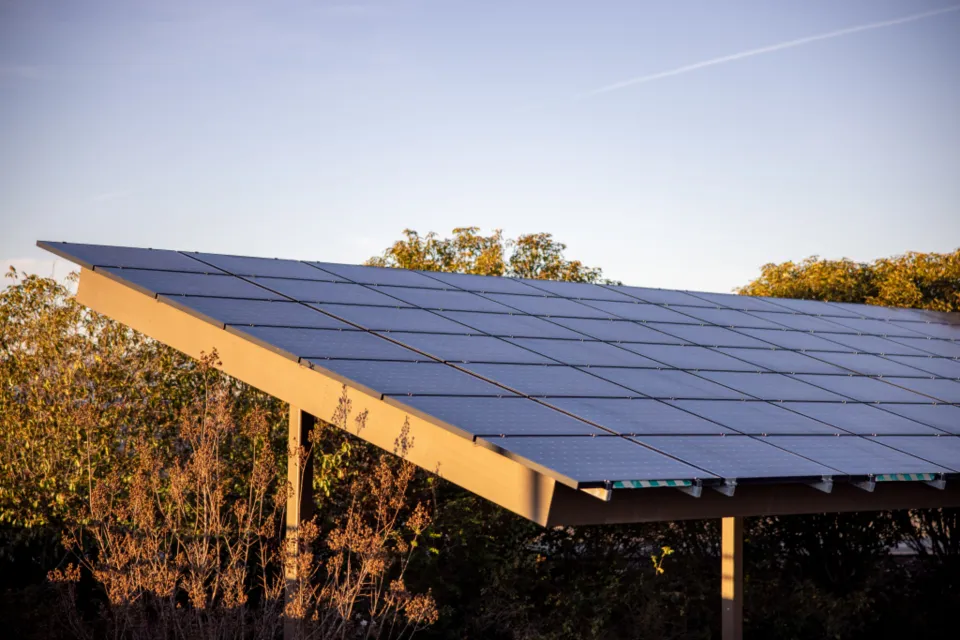
Solar panels for home use are flat modules, usually mounted on a roof or sometimes on the ground, that contain solar cells. When sunlight hits the cells, they produce direct current (DC) electricity.
An inverter then converts that DC power into the alternating current (AC) your lights, appliances and outlets use. Your home uses that power first, and a grid-tied system may exchange the rest with the utility, depending on local rules.
A complete system also includes mounting hardware, wiring, safety shutoffs and often monitoring. Some homes add battery storage for backup. A standard grid-tied system without storage or backup design generally shuts down during a grid outage for safety reasons.
How it’s traditionally been approached
Homeowners have usually started by looking at their electric bills, their roof's age, condition and sun exposure, and how long they plan to stay in the home. Many gather several written quotes to compare equipment, warranties and scope of work.
Payment has traditionally come in a few forms: paying cash, financing with a loan, or signing a lease or power purchase agreement where another company owns the system. Each has different ownership, responsibilities and contract terms, so each deserves a careful read.
Incentives, utility policies and interconnection rules have changed over time and keep changing. Homeowners have traditionally confirmed current details with the IRS or a tax professional, their state energy office and their utility before signing anything.
How the right solar installer may help
A licensed, insured solar installer may help you understand whether your home is a good fit. A visit often involves looking at your roof, shade, electrical panel and how you use power. Installers may also explain permitting and utility interconnection steps.
A good installer may walk you through system design, equipment choices, and options such as storage for backup. Solar and battery work involves high-voltage electricity and roof work, so it should be done by qualified professionals following local codes and permits, never as a DIY wiring project.
Helpful questions to ask: Are you licensed and insured in my area? What does the written quote include and exclude? Who handles permits and utility paperwork? What warranties apply, and who services the system later? Be cautious of high-pressure or door-to-door sales, and read the full contract. Costs, savings and production vary by home, location, utility and equipment, and should come from a written quote.
The bigger picture
Choosing solar can be about more than equipment. For many people it ties into feeling prepared, in control of household energy, and less surprised by the future. It can also bring stress if the decision feels rushed or confusing.
Taking your time, asking questions and comparing options can support peace of mind, whether you choose solar now, later or not at all. Every approach, including staying with the grid as it is, can be a reasonable choice depending on your situation. If the financial side of a big home decision feels heavy, Providers.plus may help you find supportive resources.
Keep in mind
- Pricing, savings, production and payback vary by home, location, utility and equipment, and should come from a written quote.
- Incentives and net metering rules change often. Confirm with the IRS or a tax professional, your state energy office and your utility before signing.
- Use licensed, insured professionals who follow local codes, permits and interconnection rules. Never attempt DIY wiring.
- Grid-tied systems shut down in an outage unless designed with storage or backup. Read every page of any contract, whether cash, loan, lease or PPA.
Not sure where to start? Answer a few gentle questions and choose who you’d like to hear from.
Talk to a solar pro →Frequently asked questions
How do solar panels for home use work?
Solar panels for home use convert sunlight into DC electricity, and an inverter changes it into AC power your home can use. Your house uses the solar power first, and a grid-tied system may exchange extra with the utility depending on local rules. Monitoring tools often let you see how the system is performing.
Will solar panels work during a power outage?
Not always. A standard grid-tied system typically shuts down during an outage for safety reasons. To have power during an outage, a system generally needs to be designed with battery storage or another backup setup, which a licensed installer can explain.
How much do solar panels for home cost?
It varies widely by home, location, utility and equipment, so there is no single answer. The most reliable way to learn is to request written quotes from licensed installers and compare what each includes.
Are there incentives for installing solar panels?
Federal, state and utility programs have changed and keep changing, so availability and value can differ. Confirm current details with the IRS or a tax professional, your state energy office and your utility before signing a contract.
Should I buy, loan-finance, or lease solar panels?
Each option works differently: cash and loans generally mean you own the system, while leases and power purchase agreements usually mean another company does. Ownership affects responsibilities, terms and your home's sale process, so read the full contract and consider asking a qualified professional.
Can I install solar panels for home myself?
Solar and battery work involves high-voltage electricity and roof work, so installation should be done by licensed, insured professionals following local codes, permits and utility interconnection rules. This page does not provide DIY wiring instructions. A solar pro can explain what is involved for your home.
Educational resource. 2A Solar shares general information and connects people with independent solar installers. It is not professional advice. Talk with a qualified professional about your own situation.