What it is
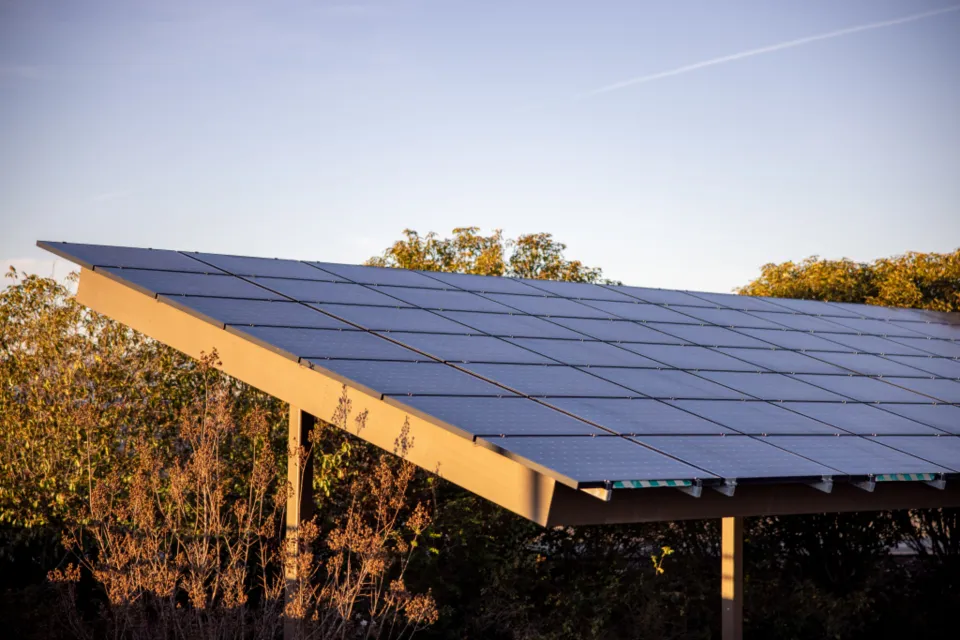
Home solar panels are devices that turn sunlight into electricity. Many panels are wired together into an array, usually on a roof or sometimes on the ground, and the power they make is converted into the type of electricity your household uses.
When people ask about the best solar panels for home use, they are usually weighing a few things: how well a panel turns sunlight into power, how durable it is, how it looks, what the warranty covers, and how it fits with the rest of the system, such as the inverter and any battery storage.
There is no single best panel for every house. Roof direction, shade, available space, climate, local building rules and your household's energy habits all shape what works well. Performance, pricing and availability vary by home, location, utility and equipment, and real figures come from a written quote.
How it’s traditionally been approached
Many homeowners have started by reading product comparisons, asking neighbors or friends, and collecting quotes from several local companies. Some begin with a look at their utility bills to understand how much electricity they use.
Traditionally, the panel is only one piece of the decision. People also compare the inverter, the mounting hardware, the warranty terms, the installer's experience and how the system connects to the utility grid.
Payment has also been part of the conversation. Some households pay with cash, some use a loan, and others choose a lease or a power purchase agreement. Each has different responsibilities and terms, so it helps to read the full contract and understand who owns the system.
How the right solar installer may help
The right solar installer may help turn a long list of panel options into a short list that fits your home. A visit often includes looking at your roof, checking for shade, reviewing your electric bill and talking about your goals, such as lower bills, backup power or greater energy independence.
Helpful questions to ask include: Are you licensed and insured in my state? Which panels and inverters do you suggest for my roof, and why? What do the product and workmanship warranties cover? Who handles permits and utility interconnection? What happens if a panel needs service later?
A good installer may also explain that a standard grid-tied system generally shuts down during a power outage unless it is designed with storage or backup. Ask for everything in writing, and be cautious of high-pressure sales or door-to-door pitches. A solar maintenance and monitoring provider may also help you keep an eye on performance after installation.
The bigger picture
Choosing solar panels is a big decision, and it is normal to feel some pressure or uncertainty. Many people want more control over their energy and more preparedness for the future, while also protecting their household budget and peace of mind.
Taking your time, comparing written quotes and asking plain questions can make the process feel calmer. If the financial side of the decision feels heavy, Providers.plus may help you find other supportive resources. No approach is wrong, and the right pace is the one that feels comfortable for you.
Keep in mind
- Solar and battery work involves high-voltage electricity and roof work, so it should be done only by licensed, insured professionals following local codes, permits and utility rules.
- Incentives, tax credits, rebates and net metering rules change often, so confirm current details with the IRS or a tax professional, your state energy office and your utility before signing.
- Costs, savings, payback time and energy production vary by home, location, utility and equipment, and should come from a written quote rather than a general estimate.
- Read the entire contract, including cash, loan, lease or power purchase terms, and never feel rushed into signing.
Not sure where to start? Answer a few gentle questions and choose who you’d like to hear from.
Talk to a solar pro →Frequently asked questions
What are the best solar panels for home use?
There is no single best panel for every home. The best solar panels for home use are the ones that suit your roof, climate, energy needs, budget and warranty expectations. A licensed solar installer can compare options for your specific property and put them in a written quote.
How do home solar panels work?
Solar panels capture sunlight and turn it into electricity. An inverter then converts that power into the kind your home uses, and any extra may be sent to the grid or stored, depending on how your system is set up.
Do solar panels work during a power outage?
Not always. Standard grid-tied systems generally shut down during an outage for safety reasons. A system designed with battery storage or backup capability may keep some power on, so ask your installer how it would be designed.
Are more expensive solar panels always better?
Not necessarily. A higher-priced panel may offer features that matter to some homes, but the right fit depends on your roof, goals and warranty terms. Compare written quotes and ask what each choice means for your situation.
Are there tax credits or rebates for solar panels?
Programs change over time, so this page cannot say what is available to you now. Confirm current federal, state and utility programs with the IRS or a tax professional, your state energy office and your utility before you sign anything.
Can I install solar panels myself?
Solar installation involves high-voltage electricity and roof work, which can be dangerous and may be regulated by local codes, permits and utility rules. It is best handled by licensed, insured professionals, so this page does not offer DIY wiring guidance.
Educational resource. 2A Solar shares general information and connects people with independent solar installers. It is not professional advice. Talk with a qualified professional about your own situation.