What it is
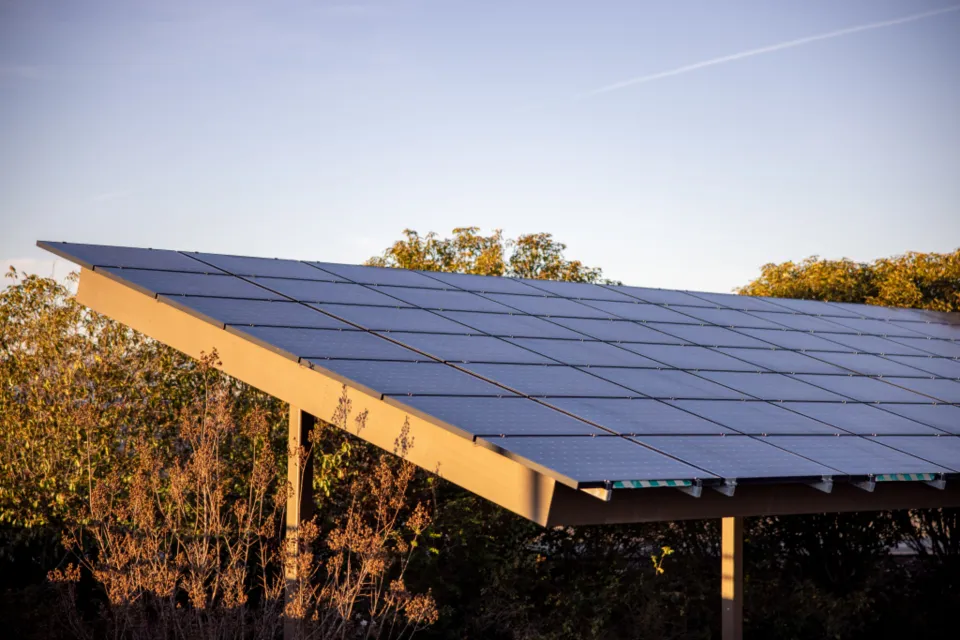
Solar panel installation means mounting panels, usually on a roof, that turn sunlight into electricity for your home. An inverter converts that power into a form your appliances can use. Extra equipment, such as monitoring tools or batteries, may be added.
Whether solar is worth it is not one question. It is several: how much sun your roof gets, how much electricity you use, how your utility handles solar power, what financing you choose, and what you want from the system. Two neighbors can reach very different answers.
Dollar figures such as system cost, savings and payback time vary by home, location, utility and equipment. They should come from a written quote for your property, not from a general web page.
How it’s traditionally been approached
Many homeowners start by comparing their recent electric bills with a quote. Some focus on long-term bill reduction. Others care more about reducing reliance on the grid, or about having backup power during outages.
Solar can be paid for in several ways: cash, a loan, a lease or a power purchase agreement. Each treats ownership, maintenance, and the contract's length and terms differently, and none is right for everyone. Reading the full contract matters with all of them.
Incentives, tax treatment and utility billing rules for solar have changed over time and keep changing. Confirm what applies to you with the IRS or a tax professional, your state energy office and your utility before signing anything.
How the right solar installer may help
A licensed, insured solar installer may help turn a vague question into specifics. A visit often includes looking at your roof's condition, direction, shading and age, and at your electrical panel. They may also review your past utility bills to understand how you use power.
Good questions to bring: What does the quote include and exclude? Who handles permits and utility interconnection? What warranties cover the panels, inverter and workmanship? What happens if I need roof work later? Will the system keep running in an outage, or shut down for safety?
It is reasonable to get more than one written quote and take your time. Be cautious about high-pressure sales, door-to-door pitches and deadlines that discourage you from reading everything. Ongoing monitoring, maintenance and repair services may also be worth asking about.
The bigger picture
A big home-energy decision can carry real stress. Some people feel peace of mind from producing their own power and being more prepared. Others feel more comfortable waiting, or choosing a different path. Neither is wrong, and no approach deserves to be dismissed.
Think about your finances, your plans for the home and how long you expect to stay. If the money side feels heavy, Providers.plus may help you find other trusted professionals. Giving yourself time to decide often supports a calmer and better-informed choice.
Keep in mind
- This page is educational only and is not financial, tax, legal or engineering advice.
- Savings, costs and payback vary by home, location, utility and equipment, so rely on written quotes rather than general claims.
- Solar and battery work involves high-voltage electricity and roof work, so it should be done by licensed, insured professionals following local codes, permits and utility rules.
- Grid-tied systems generally shut down during an outage unless designed with storage or backup, so ask exactly what you would be getting.
Not sure where to start? Answer a few gentle questions and choose who you’d like to hear from.
Talk to a solar pro →Frequently asked questions
Is solar worth it for the average homeowner?
There is no single answer, because it depends on your roof, your electricity use, your utility's rules, how you pay for it and your own goals. Some homeowners find it a good fit and others do not. A written quote and a conversation with a licensed installer can help you judge your own situation.
How do I know if solar is worth it for my home?
Start by gathering your recent utility bills and noting your roof's age, direction and shading. A solar pro can then prepare a written quote based on your home. Compare it with your goals, whether those are lower bills, independence or backup power.
Does solar work during a power outage?
Typically not, if the system is grid-tied without storage. Those systems shut down during outages for safety reasons. If backup power matters to you, ask an installer about batteries or other backup designs and what they would and would not power.
Are there incentives that make solar worth it?
Federal, state and utility programs have changed and continue to change, so you should not assume any are available. Confirm current details with the IRS or a tax professional, your state energy office and your utility before you sign.
Is it better to buy, loan-finance, lease or use a power purchase agreement?
Each option has trade-offs in ownership, upkeep, contract length and total cost. Cash and loans generally mean you own the system, while leases and power purchase agreements usually do not. Read the full contract and consider asking a tax professional.
What should I do next if I am asking whether solar is worth it?
Gather your bills, learn the basics, and request written quotes from licensed, insured installers. Avoid pressure to sign quickly. When you are ready, Talk to a solar pro through our solar page on contacts.plus.
Educational resource. 2A Solar shares general information and connects people with independent solar installers. It is not professional advice. Talk with a qualified professional about your own situation.