What it is
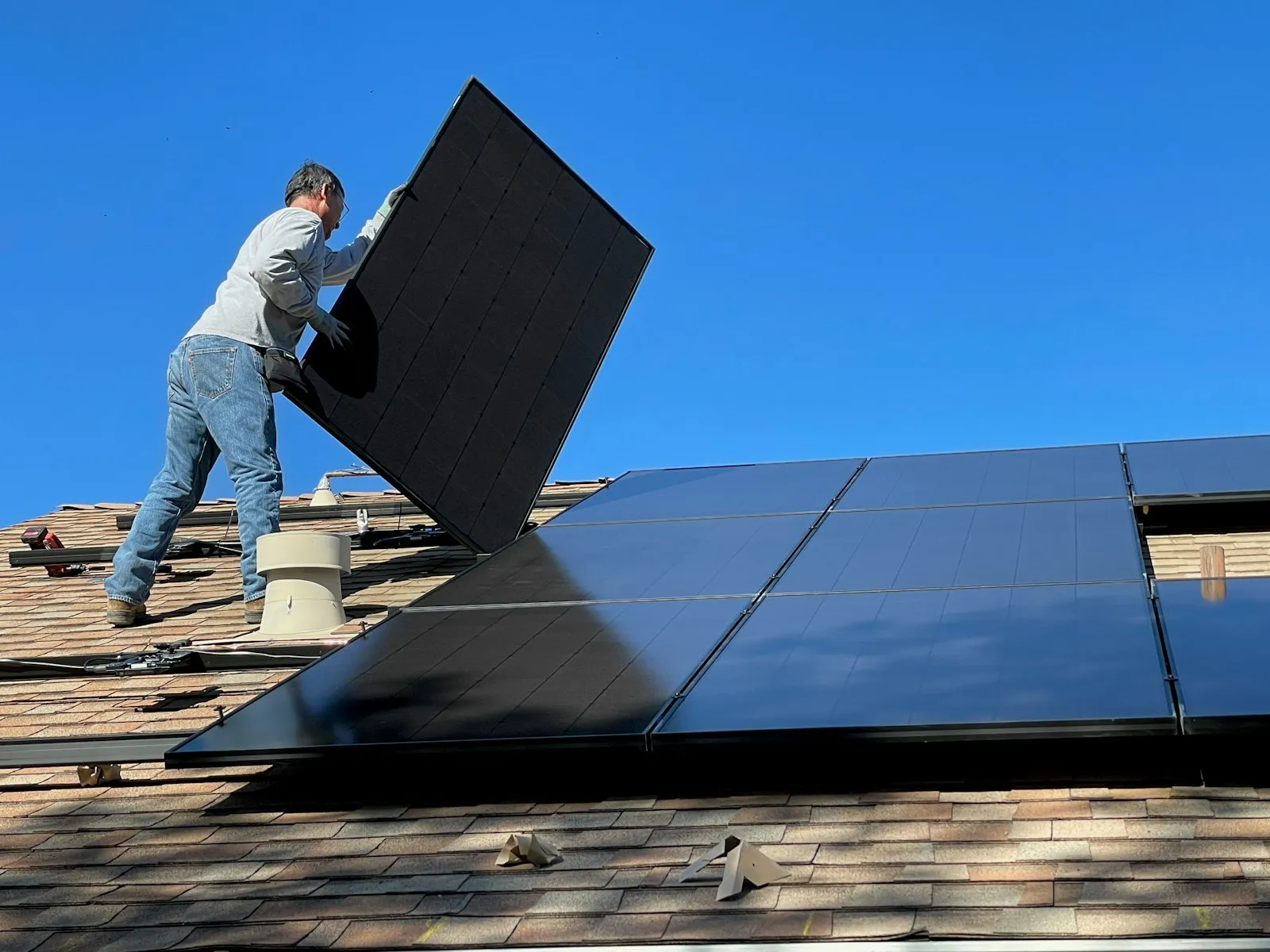
Solar panel installation is the process of designing, permitting, mounting and connecting a solar electric system to a home or building. A solar installer is the company or crew that handles some or all of those steps, from the first site visit to the final inspection and utility connection.
Installers differ. Some are small local businesses, some are regional firms, and some are large national sales organizations that subcontract the work. Some focus on panels only, while others also design battery storage and backup power for outages.
Choosing an installer is about more than the equipment. It involves licensing, insurance, how a quote is built, what the warranties cover, how the contract is structured, and who will answer the phone years after the roof work is done.
How it’s traditionally been approached
Many homeowners have started by searching for solar installers near me, asking neighbors or friends, and requesting a few quotes. Others respond to mailers, online ads or a knock on the door. Each route can lead to a good experience or a frustrating one, so the steps that follow matter more than how you first heard of a company.
Traditionally, people have compared written quotes side by side, looking at the equipment listed, the scope of work, the warranty terms and the payment structure. Systems can be paid for with cash, a loan, a lease or a power purchase agreement, and each works differently when it comes to ownership, responsibility for maintenance and what happens if you sell your home.
Some people with electrical experience consider a do-it-yourself approach. Solar and battery work involves high-voltage electricity, roof work, local codes, permits and utility interconnection rules, which is why installation is generally done by licensed, insured professionals. This page does not provide DIY wiring instructions.
How the right solar installer may help
The right solar installer may help you understand your options without pressure. A good first visit often includes looking at your roof, your electrical panel and your shade conditions, then talking about your goals, such as lowering reliance on the grid, preparing for outages or both.
Questions to ask a solar company can include: Are you licensed and insured in my state? Will your own employees do the work or subcontractors? Can I see the full written quote and contract before deciding? What do the equipment and workmanship warranties cover, and who honors them if the company changes? How do permits and utility interconnection work, and who handles them?
It may also help to ask how the system behaves in an outage. Grid-tied systems typically shut down when the grid goes down unless they are designed with storage or backup. Pricing, savings, production and incentive details vary by home, location, utility and equipment, so they should come from a written quote, and you should confirm incentive questions with the IRS or a tax professional, your state energy office and your utility before signing.
The bigger picture
Choosing a solar installer touches more than your roof. It can affect your monthly budget, your sense of security during outages and your peace of mind for years. Feeling rushed or confused by a sales pitch can add stress, so giving yourself time to read, compare and ask questions is a reasonable part of the process.
Every approach, from cash to financing to waiting, can fit a different household. If the financial side feels heavy, resources like Providers.plus may help you find other professionals to talk things through. The goal is a decision you understand and feel steady about.
Keep in mind
- This page is educational only and is not financial, tax, legal or engineering advice.
- Be cautious of high-pressure tactics, door-to-door urgency, "today only" deals and anyone who discourages you from reading the full contract.
- Federal, state and utility incentive and net metering programs have changed and keep changing, so confirm current details with the IRS or a tax professional, your state energy office and your utility before signing.
- Use licensed, insured professionals who follow local codes, permits and utility interconnection rules, and get everything in writing.
Guides in this topic
Solar installer types
Frequently asked questions
How do I choose a solar installer for solar panel installation?
Start by confirming that the company is licensed and insured where you live, then gather more than one written quote. Compare the scope of work, equipment, warranties and contract terms, and ask who will do the work and who will service it later. Take your time, since a trustworthy installer generally welcomes questions.
What questions should I ask a solar company?
Ask about licensing, insurance, who performs the installation, permits, utility interconnection, warranties and what happens if the company closes. Also ask how the system performs in an outage and whether the payment option is cash, loan, lease or power purchase agreement. Request everything in writing.
What are common solar scams to avoid?
Warning signs include high-pressure or door-to-door sales, "limited-time" offers, vague quotes, requests for large upfront payments and promises of guaranteed savings or free systems. Be wary of anyone who rushes you to sign or skips explaining the contract. Read every page and check licensing before committing.
How do I compare solar quotes?
Line up quotes side by side and check that each covers the same scope, equipment, warranties, payment structure and who handles permits and interconnection. Costs, savings and production differ by home, location, utility and equipment, so rely on written quotes rather than verbal estimates. If something is unclear, ask the installer to explain it.
What does a solar panel warranty usually cover?
Solar systems often involve several warranties, such as equipment warranties from manufacturers and a workmanship warranty from the installer. Terms differ, so read what is covered, how long it lasts and who honors it. Ask what happens to the warranty if the installer goes out of business.
Is DIY solar better than professional installation?
Solar involves high-voltage electricity, roof work, permits, local codes and utility interconnection rules, so installation is generally done by licensed, insured professionals. Some people explore DIY for the sense of self-reliance, but safety and code compliance are serious concerns. Talking with a professional can help you understand what is involved.
Educational resource. 2A Solar shares general information and connects people with independent solar installers. It is not professional advice. Talk with a qualified professional about your own situation.