What it is
DIY solar means a homeowner takes on some or all of the work of planning, buying and putting in a solar energy system. Some people buy a small, portable setup for a cabin, RV or backup use. Others look at a full rooftop system connected to their home and the utility grid.
Professional installation means a licensed, insured company handles the design, permits, equipment, installation, inspection and utility paperwork. Many installers also help with monitoring and service after the system is running. Some firms use their own crews and others use subcontractors, so it helps to ask who will actually be on your roof.
The two paths are not always all-or-nothing. Some people hire a pro for the roof and electrical work and stay hands-on in other ways, like learning to read their monitoring app. Others use small plug-in or off-grid kits for limited needs. What is allowed varies by location, so local rules matter a lot.
How it’s traditionally been approached
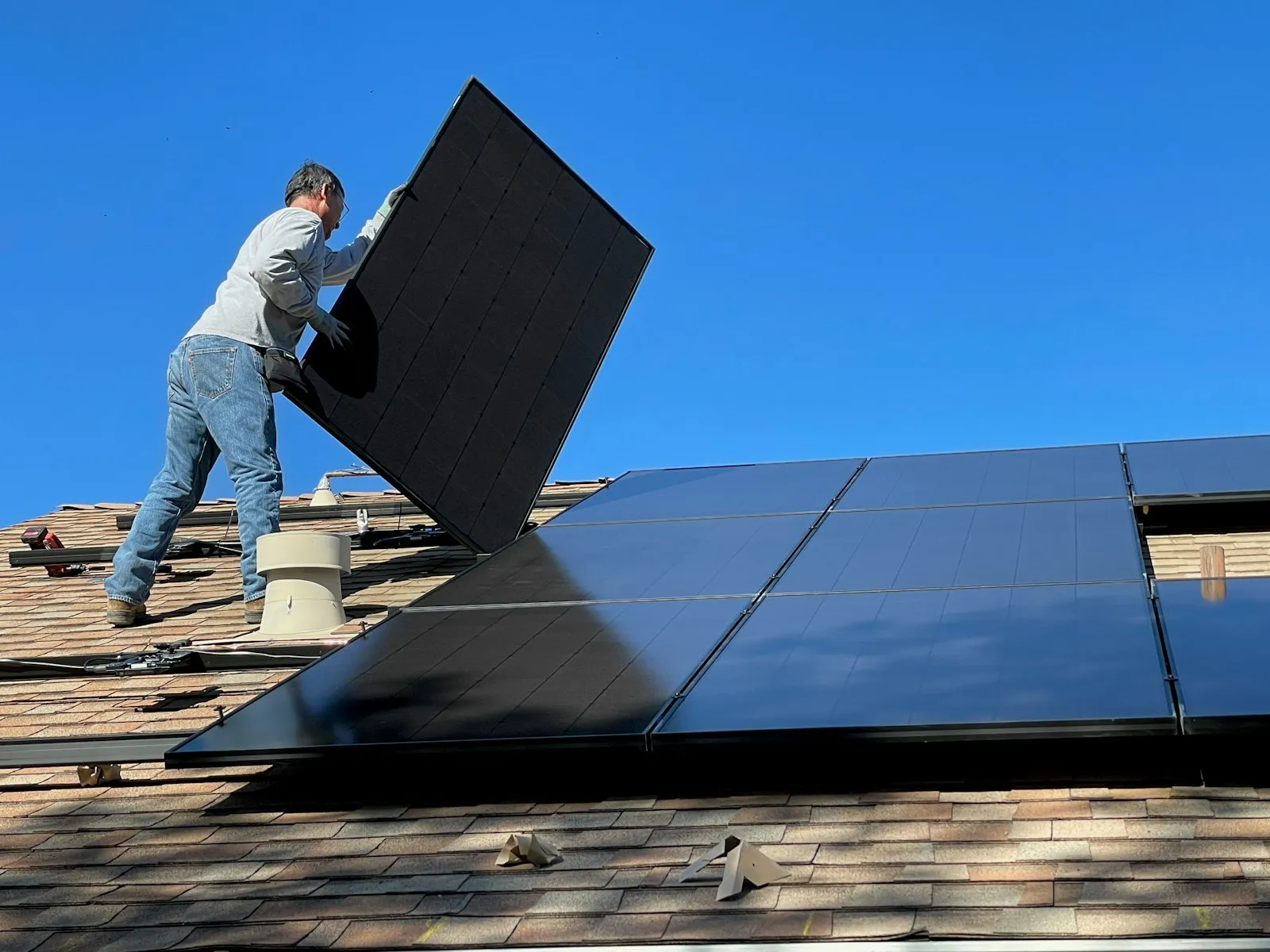
Traditionally, rooftop solar connected to a home has been handled by trained and licensed contractors. The work involves high-voltage electricity, roof penetrations, structural loads and utility interconnection rules. Local codes and permits usually apply, and an inspection is often required before the system can be switched on.
DIY has long been popular for smaller, low-voltage projects. These include off-grid cabins, sheds, boats and portable power for emergencies. People who choose this route often value learning, control and self-reliance, and many spend a lot of time researching before they begin.
Rules about who may do the work differ by city, county, state and utility. In some places homeowners may do certain work on their own property with permits and inspections, and in others a license is required. Warranties, insurance and utility approval can also depend on who did the installation, so it is wise to confirm each of these before you start.
How the right solar installer may help
The right solar installer may help you sort out what fits your home and goals. A visit often starts with a look at your roof, shade, electrical panel and how you use energy. Many installers then explain design options and what permits and utility steps are involved.
Good questions to ask include these: Are you licensed and insured in my state? Who handles permits and utility interconnection? Who will do the work on my roof? What do the equipment and workmanship warranties cover, and in writing? What happens if something fails, and who do I call?
You can also ask about backup power. A grid-tied system generally shuts down during an outage unless it is designed with storage or backup. Ask for a written quote, read the full contract, and be cautious with high-pressure or door-to-door sales. Compare cash, loan, lease and power purchase agreement terms carefully, and confirm any incentives with the IRS or a tax professional, your state energy office and your utility before signing.
The bigger picture
Choosing how to go solar is about more than equipment. For some people, doing it themselves brings pride and a sense of capability. For others, hiring a pro brings peace of mind, because they know licensed people are handling the roof, the wiring and the paperwork.
Both choices can come from a wish for security and independence, and neither is wrong. Think about your time, comfort with risk, and the stress you are willing to take on. If the financial side feels heavy, Providers.plus may help you find other resources to support your planning.
Keep in mind
- Solar and battery work involves high-voltage electricity and roof work, which can be dangerous. This page does not give wiring instructions, and installation should follow local codes, permits and utility rules.
- Costs, savings, payback and production vary by home, location, utility and equipment, and should come from a written quote.
- Federal, state and utility incentives and net metering programs change often. Confirm what applies with the IRS or a tax professional, your state energy office and your utility before you sign.
- Check how a DIY choice could affect your warranties, homeowners insurance and utility connection approval before you buy anything.
Not sure where to start? Answer a few gentle questions and choose who you’d like to hear from.
Talk to a solar pro →Frequently asked questions
What is the difference between DIY solar vs professional installation?
With DIY solar, you take on the planning, purchasing and installation yourself, while with professional installation a licensed company handles design, permits, installation and inspections. The biggest differences are usually safety, code compliance, warranties and your own time. Rules about who may do the work vary by location.
Is DIY solar safe?
Solar involves high-voltage electricity and roof work, so it carries real risks, especially for a system connected to your home. Small, low-voltage kits are different from full rooftop systems. For anything tied to your home's wiring or the grid, licensed and insured professionals who follow local codes are generally the safer route.
Can I install solar panels myself legally?
It depends on where you live. Some areas allow homeowners to do certain work with permits and inspections, while others require a licensed contractor. Check with your local building department and your utility before you begin.
Does DIY solar affect warranties and insurance?
It may. Some equipment warranties, roof warranties and insurance policies have conditions about who does the installation. Read the paperwork and ask the manufacturers, your roofer and your insurance provider before you decide.
Will a DIY system work during a power outage?
Not necessarily. A grid-tied system generally shuts down during an outage unless it is designed with storage or backup. Whether you DIY or hire a pro, ask how the system is designed to behave when the grid goes down.
How do I choose a good solar installer?
Start by confirming the installer's license and insurance, then compare several written quotes. Ask who does the work, who handles permits and utility approval, what the warranties cover, and what service is offered later. Read the full contract and be cautious with high-pressure sales. When you are ready, Talk to a solar pro for a next step.
Educational resource. 2A Solar shares general information and connects people with independent solar installers. It is not professional advice. Talk with a qualified professional about your own situation.