What it is
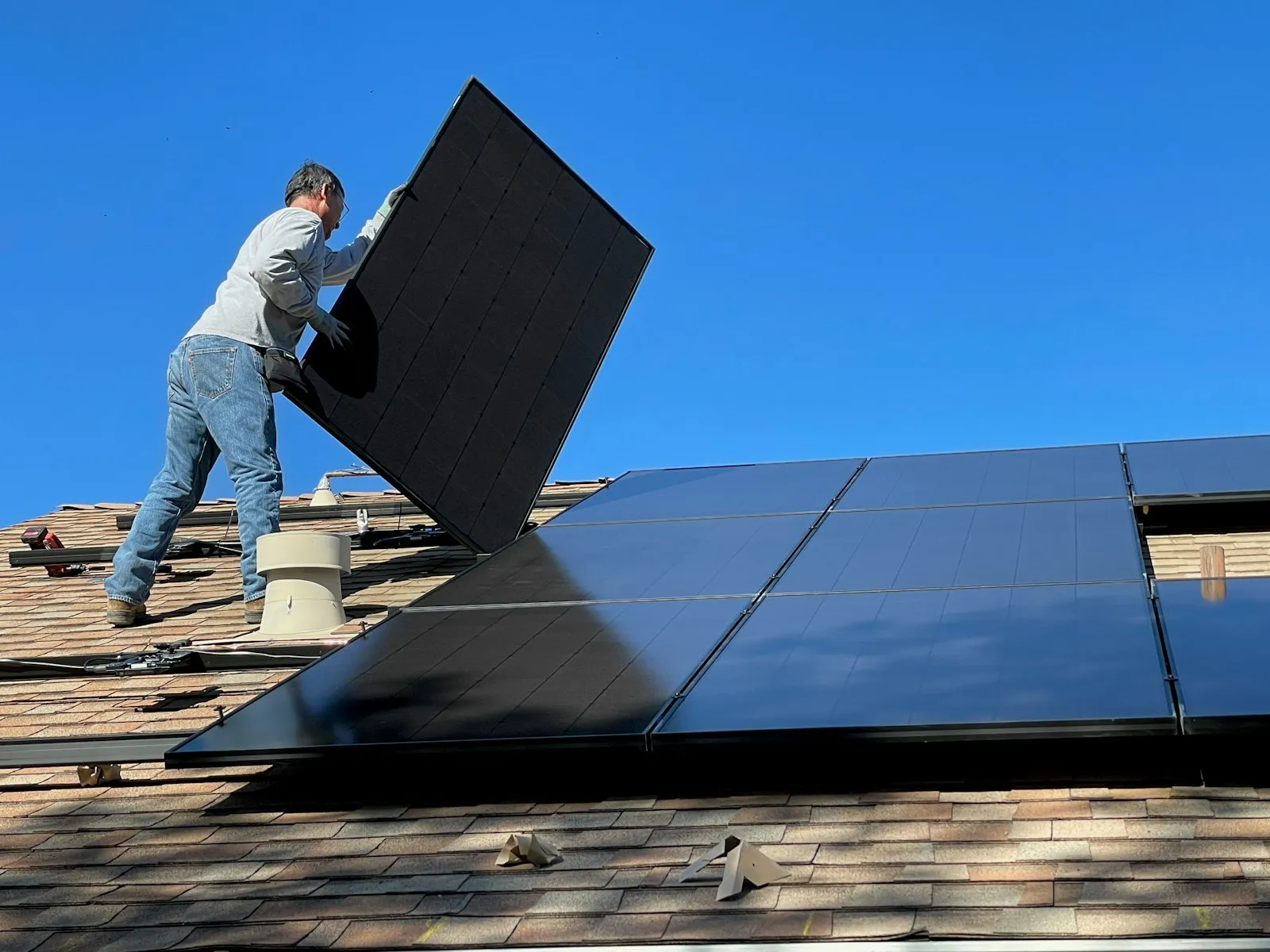
A solar installer is a company or professional that designs, permits and installs solar panel systems on a home or property. Many also handle the electrical connection, the paperwork with the local building department, and the interconnection process with your utility.
"Near me" matters because solar is local. Roof styles, weather, building codes, permit rules and utility requirements differ from one area to the next. A nearby installer may be more familiar with how those rules work where you live.
Some installers focus on rooftop solar panel installation, some add battery storage, and others also offer solar maintenance, repair and monitoring. Services, equipment and warranties vary, so it helps to know what each company actually offers before you compare them.
How it’s traditionally been approached
Many homeowners have traditionally started with word of mouth, asking neighbors, friends or family who already have solar. Others have searched online, read reviews, or checked local directories and trade listings.
Some have also responded to mailers, online ads or door-to-door visits. These can be a way to learn about options, but they can also involve high-pressure sales, so many people take time to compare before deciding.
Homeowners have also paid for solar in different ways, including cash, loans, leases and power purchase agreements. Each has different ownership, responsibility and contract terms, and each is worth understanding fully in writing.
How the right solar installer may help
The right solar installer may help you understand whether your roof, shade, home layout and energy use are a good fit for solar at all. A good pro will often be comfortable saying when solar may not make sense for a property.
A typical visit or consultation may include looking at your roof and electrical panel, reviewing recent utility usage, and talking through your goals, such as lowering reliance on the grid or having backup power. You can then ask for a written quote that spells out equipment, scope of work, warranties and timelines.
Helpful questions to ask include: Are you licensed and insured in my state? Who pulls permits and handles utility interconnection? Who is responsible for repairs and monitoring after installation? What happens if the system shuts down, or in an outage? Getting more than one written quote may make comparing easier.
The bigger picture
Choosing a solar installer is not just a technical choice. It can touch your finances, your sense of security at home and your peace of mind for years. Feeling rushed or pressured can add stress, so giving yourself time to learn, ask questions and read every page of a contract can be a calm, empowering step.
Energy decisions also connect to the rest of your household planning. If you're also thinking about the wider picture of your financial wellbeing, a resource like Providers.plus may help you find other supportive professionals. No single approach is right for everyone, and what feels right depends on your priorities and circumstances.
Keep in mind
- Costs, savings, production and payback vary by home, location, utility and equipment, and should come from a written quote, not a general estimate.
- Federal, state and utility incentives and net metering rules have changed and keep changing. Confirm what applies with the IRS or a tax professional, your state energy office and your utility before signing.
- Solar and battery work involves high-voltage electricity and roof work. It should be done by licensed, insured professionals following local codes, permits and utility interconnection rules, never as a DIY wiring project.
- Grid-tied systems generally shut down during a power outage unless they're designed with storage or backup. Read the full contract and be cautious of high-pressure or door-to-door sales tactics.
Not sure where to start? Answer a few gentle questions and choose who you’d like to hear from.
Talk to a solar pro →Frequently asked questions
How do I find solar installers near me?
You can start by asking neighbors who have solar, searching local listings and directories, and checking your state's licensing resources. Collect a few candidates and compare their written quotes. A directory like 2A Solar can help you start learning, and the next step is to talk to a solar pro.
What should I look for in a local solar installer?
Look for proper licensing and insurance, clear written quotes, transparent warranty terms and a willingness to answer questions without pressure. It also helps to ask who handles permits, utility interconnection and long-term service. Confirm details directly with your state and local authorities.
Is it better to hire a local solar installer?
Not always, but a local installer may be more familiar with area codes, permitting offices and utility rules. They may also be easier to reach for service later. Whether local or not, check licensing, insurance, references and contract terms.
How many solar installer quotes should I get?
Many homeowners find that comparing multiple written quotes helps them understand the differences in equipment, scope, warranties and financing. There's no single right number. What matters is that you can compare them side by side and have time to decide.
Do solar installers also handle maintenance and repairs?
Some do, and some do not. Certain installers offer maintenance, repair and monitoring services, while others focus only on installation. Ask before you sign who is responsible for service, what the warranty covers, and how to reach them if something goes wrong.
Will solar panels work during a power outage?
Grid-tied solar systems generally shut down during an outage for safety reasons unless they are designed with battery storage or a backup system. If staying powered matters to you, ask installers about backup options and how they would be designed for your home.
Educational resource. 2A Solar shares general information and connects people with independent solar installers. It is not professional advice. Talk with a qualified professional about your own situation.