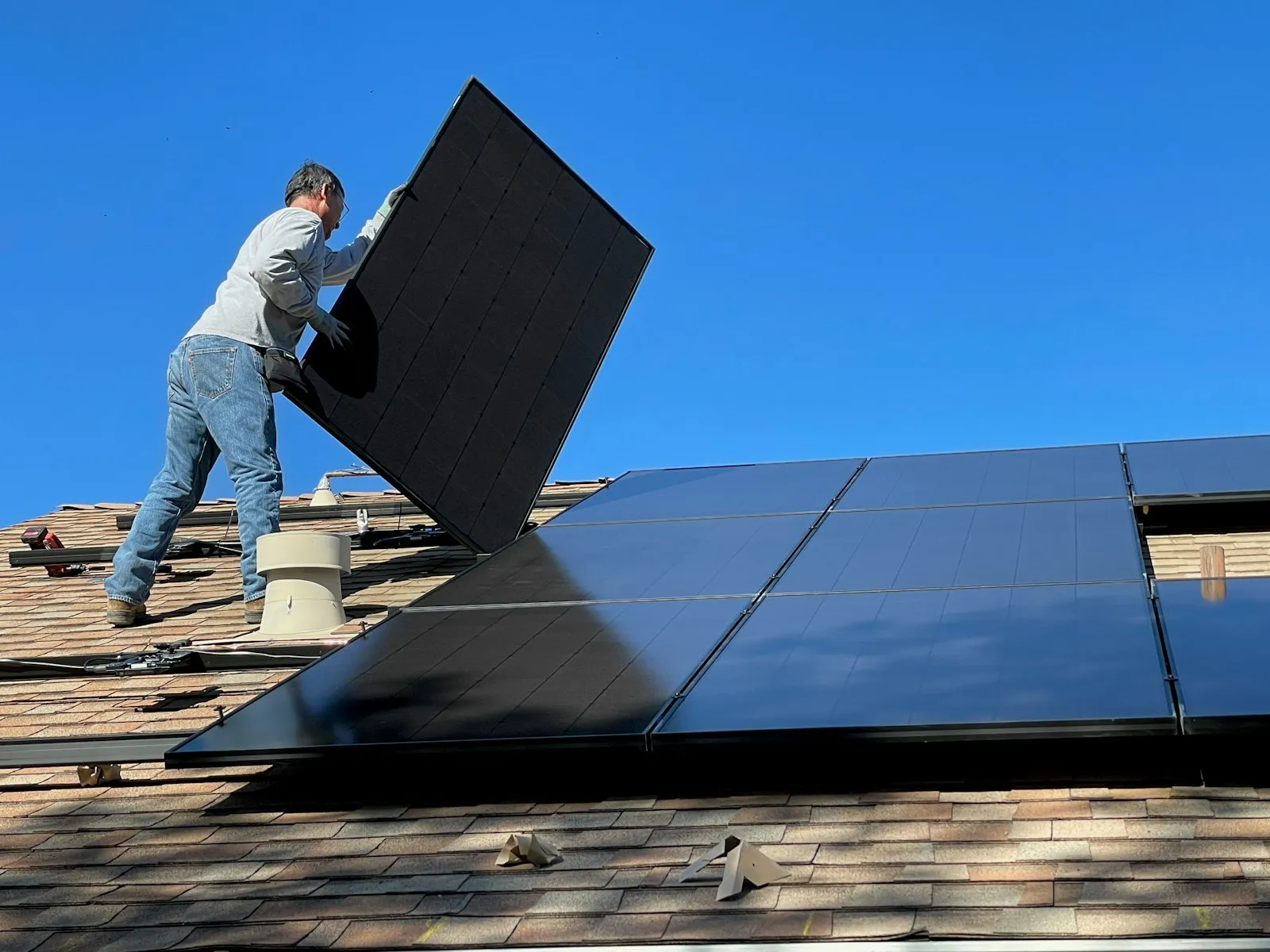
What it is
Choosing a solar installer means deciding which company or professional will design, permit, install, and connect a solar energy system at your home or property. Solar panel installation involves roof work, high-voltage electricity, and coordination with your local building department and utility.
Because the work touches your roof, your electrical system, and the grid, the installer does more than attach panels. They may handle system design, equipment selection, permit applications, utility interconnection paperwork, and inspections.
Installers vary. Some are small local businesses, some are regional firms, and some are large national companies. Some do their own installation, while others use subcontractors. None of these models is automatically right or wrong, but it helps to know which one you are dealing with.
How it’s traditionally been approached
Homeowners have traditionally started by asking neighbors, friends, or family who have solar, then collecting several written quotes to compare. Many also check online reviews, local business listings, and licensing records.
Others have begun with a utility or state energy office resource, or attended a community solar information session. Some have worked with an independent energy advisor or consultant to review proposals.
Payment structures have also been part of the choice. Cash purchases, loans, leases, and power purchase agreements each work differently, and each affects ownership, responsibilities, and what happens if you sell your home. Reading the full contract is a long-standing, sensible practice.
How the right solar installer may help
The right solar installer may help by explaining your options clearly, without pressure. A typical first conversation or site visit often includes looking at your roof, shade, electrical panel, and how you use energy, and then talking through what might fit your goals.
Good questions to ask may include: Are you licensed and insured in my state? Who will actually do the installation, your employees or subcontractors? What equipment is proposed, and what warranties cover the panels, the inverter, and the workmanship? Who handles permits and utility interconnection?
You may also ask what happens in a power outage, since a grid-tied system generally shuts down unless it is designed with storage or backup. Ask how monitoring works, who to call for service or repair later, and ask for everything in a written quote. Prices, savings, and production estimates vary by home, location, utility, and equipment, so they should come from that written quote, not from a sales pitch.
The bigger picture
Choosing an installer is a big decision, and it is normal to feel some pressure or uncertainty. A solar system is a long-term commitment tied to your home, your budget, and your sense of energy independence and preparedness. Taking your time can protect your peace of mind.
It can help to write down your goals first, whether that is resilience, predictability, or self-reliance, so you can judge each proposal against what matters to you. If the financial side feels heavy, Providers.plus may help you find other supportive resources. No approach is wrong, and the right pace is the one that lets you feel confident.
Keep in mind
- Be cautious of high-pressure sales, door-to-door offers, and deals that expire today. A reputable professional should be comfortable with you taking time to review.
- Solar and battery work involves high-voltage electricity and roof work, so it should be done by licensed, insured professionals following local codes, permits, and utility interconnection rules.
- Federal, state, and utility incentive and net metering programs have changed and keep changing. Confirm details with the IRS or a tax professional, your state energy office, and your utility before signing.
- This page is educational only and is not financial, tax, legal, or engineering advice. 2A Solar is an independent directory, not a professional advisor.
Not sure where to start? Answer a few gentle questions and choose who you’d like to hear from.
Talk to a solar pro →Frequently asked questions
How do I choose a solar installer?
Start by collecting several written quotes from licensed, insured installers and comparing them side by side. Look at equipment, warranties, who does the installation, who handles permits, and what support exists after installation. Take time to read the full contract before signing.
What questions should I ask a solar installer?
Ask about licensing, insurance, warranties, and whether they use their own crews or subcontractors. Also ask who manages permits and utility interconnection, what happens during an outage, and who to call for service later. Get the answers in writing.
How many solar quotes should I get?
There is no single right number, but many people compare more than one so they can see differences in equipment, scope, and terms. Make sure each quote covers the same things so the comparison is fair. Costs and production vary by home, so rely on written quotes.
Is it better to buy, lease, or use a power purchase agreement?
Each option works differently, and the best fit depends on your goals and situation. Buying with cash or a loan generally means you own the system, while leases and power purchase agreements usually mean another party owns it. Read the full terms, and consider asking a tax professional for guidance.
How can I spot a solar sales red flag?
Warning signs include high-pressure tactics, door-to-door offers that demand an immediate decision, vague or verbal-only promises, and reluctance to put things in writing. A reputable installer should welcome questions and give you time to review the contract.
Will my solar system work during a power outage?
Not necessarily. A grid-tied system generally shuts down in an outage for safety unless it is designed with storage or backup. If outage resilience matters to you, tell your installer up front and ask how the design would handle it. When you're ready, talk to a solar pro.
Educational resource. 2A Solar shares general information and connects people with independent solar installers. It is not professional advice. Talk with a qualified professional about your own situation.