What it is
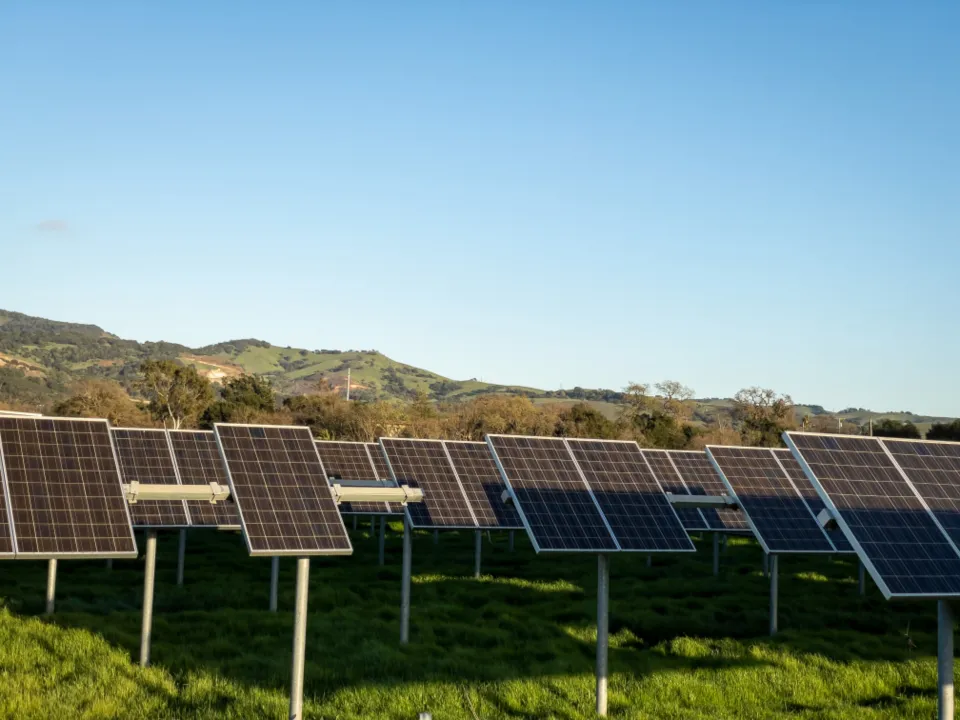
A solar generator is not a fuel-burning generator. It is usually a battery, an inverter and a way to charge from solar panels, and sometimes from a wall outlet or the grid as well. It stores electricity and delivers it when you need it, quietly and without exhaust.
The term covers a wide range. Some products are portable units that plug into a few devices. Others are larger home energy storage systems wired into your electrical panel and paired with rooftop panels. Capacity, output, expandability and features vary by product and by home.
A key point is that a typical grid-tied solar system shuts down during an outage unless it is designed with storage or backup. Panels alone do not keep your lights on in a blackout. A battery-based setup, designed and installed correctly, is what may make that possible.
How it’s traditionally been approached
For many years, households that wanted backup power turned to fuel-burning standby or portable generators. These run on fuels such as gasoline, propane or natural gas, and they have long been a familiar choice for outages and remote properties.
Others relied on simple preparedness: flashlights, stored supplies, and small battery packs for phones. Rooftop solar traditionally focused on lowering reliance on utility electricity rather than on keeping a home running during an outage.
As batteries have become more common, many people now look at solar plus storage, portable power stations, or a combination. Each approach has tradeoffs in convenience, noise, fuel needs, runtime and upfront and ongoing cost, and none is right for everyone.
How the right solar installer may help
The right solar installer may help you sort out what you actually want to power. A visit often starts with questions about your home, your electrical panel, your roof or yard, and which items matter most in an outage, such as a refrigerator, medical equipment, internet or well pump.
A pro may explain the difference between a portable unit and a permanently installed system, and whether a partial-home or whole-home approach seems realistic. They can also discuss how a system would connect to your panel, what permits and utility interconnection rules apply, and what happens during an outage.
Helpful questions to ask include: Are you licensed and insured? What will this system run, and for how long? How is it recharged if the grid is down? What warranties apply? Ask for a written quote with every term spelled out, and read the whole contract before signing.
The bigger picture
Preparing for an outage is partly about equipment and partly about peace of mind. Knowing your household has a plan for lights, food storage, communication or medical needs can ease worry, and it can support a sense of self-reliance and readiness.
It is also a financial and emotional decision, so it is fine to take your time. Compare options, avoid feeling rushed, and choose what suits your budget and comfort level. If you are weighing the wider picture of household wellbeing, Providers.plus may offer additional resources.
Keep in mind
- Costs, savings, runtime and output vary by home, location, utility and equipment, and should come from a written quote rather than a general estimate.
- Federal, state and utility incentives and net metering rules have changed and may change again, so confirm current details with the IRS or a tax professional, your state energy office and your utility before signing.
- Solar and battery work involves high-voltage electricity and roof work, so use licensed, insured professionals who follow local codes, permits and utility interconnection rules, and do not attempt DIY wiring.
- Be cautious with high-pressure sales or door-to-door tactics, and compare cash, loan, lease and power purchase agreement terms carefully before committing.
Not sure where to start? Answer a few gentle questions and choose who you’d like to hear from.
Talk to a solar pro →Frequently asked questions
What is a solar generator for home use?
A solar generator for home use is a battery and inverter system that stores electricity, often charged by solar panels, to power devices during outages or everyday use. Sizes range from small portable units to larger installed systems. What suits you depends on your home and what you want to power.
Can a solar generator power my whole house?
It may, but it depends on the system's design, capacity and your household's electrical needs. Many setups are planned to back up selected circuits rather than everything. A licensed solar installer can explain what is realistic for your home.
Is a solar generator the same as rooftop solar panels?
No. Rooftop panels produce electricity, while a solar generator centers on storing and delivering it. They can work together, and a grid-tied panel system generally shuts down in an outage unless it is designed with storage or backup.
How is a solar generator different from a gas generator?
A solar generator uses a battery and sunlight or another charging source, so it runs quietly with no fuel or exhaust. A gas generator burns fuel and may run longer if fuel is available. Each has tradeoffs in noise, maintenance, runtime and upfront and ongoing cost.
Do I need a professional to install a solar generator for home backup?
Portable units that simply plug in generally do not need installation, but anything connected to your home's electrical panel should be handled by licensed, insured professionals. They follow local codes, permits and utility interconnection rules. Never attempt DIY wiring.
Are there incentives for a home solar generator?
Incentives and programs vary and have changed over time, so you should not assume any are available. Confirm current details with the IRS or a tax professional, your state energy office and your utility before signing anything. A solar pro may also share what they know locally.
Educational resource. 2A Solar shares general information and connects people with independent solar installers. It is not professional advice. Talk with a qualified professional about your own situation.