What it is
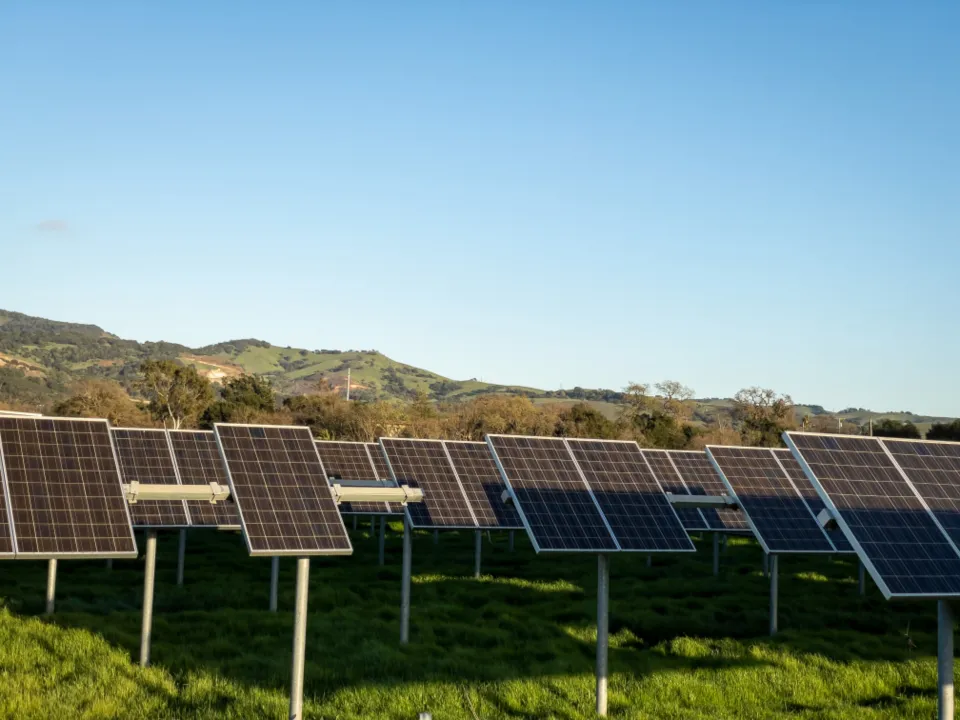
A solar panel system turns sunlight into electricity for your home. Most homes with solar are connected to the utility grid, which means the home uses solar power when it is available and draws from the grid when it is not.
Grid-tied systems are usually built to shut off automatically when the grid loses power. This is a safety feature. It helps keep electricity from flowing back onto lines that utility workers may be repairing. So panels on your roof can be in full sun and your home can still be dark.
To keep power on during an outage, a system generally needs additional equipment, such as a battery or storage system, a inverter capable of operating independently of the grid, and a way to separate your home from the grid safely. Designs vary, and what can run on backup power depends on the equipment and how it was set up.
How it’s traditionally been approached
For many years, households have prepared for outages with portable or standby generators, often running on gasoline, propane or natural gas. These can power selected circuits or an entire home, depending on the setup, and they remain a common choice.
Others rely on simple preparations, such as flashlights, battery packs, a cooler for food, and a plan for medical devices or heating and cooling needs. Some people choose to do nothing special and accept occasional short outages.
Solar with battery storage is a newer approach to backup power. Some homeowners pair it with a generator, and others choose one or the other. Each approach has tradeoffs in noise, fuel, maintenance, upfront investment and how long it can keep power on.
How the right solar installer may help
The right solar installer may help you sort out what you actually want to keep running in an outage. That might be a refrigerator, lights, internet and phone charging, or it might be well pumps, medical equipment or whole-home comfort. Clear priorities usually shape the design.
A visit is generally a conversation and a look at your home. A pro may review your electrical panel, roof, existing solar if you have it, and how you use power. They may explain options such as adding a battery to an existing system, a partial-home backup setup, or combining solar with a generator.
Good questions to ask include: Will this system power my home during an outage, and which circuits? How long might the backup last, and does it depend on sunshine? What happens at night or on cloudy days? Who handles permits and utility interconnection? What does the warranty cover? Ask for everything in a written quote and read the full contract before signing.
The bigger picture
Power outages can be more than an inconvenience. They can touch on safety, comfort, food, work and the peace of mind that comes from feeling prepared. Many people find that thinking through their real needs ahead of time reduces worry when the lights go out.
It also helps to weigh the decision calmly. Backup power is one part of a bigger household picture that includes budget, comfort and long-term plans. No single approach is right for everyone, and taking your time to compare options is a reasonable path. If you are looking for other trusted local professionals, Providers.plus may be a helpful place to start.
Keep in mind
- Grid-tied solar without storage or special backup design generally shuts down during a grid outage, even in bright sun.
- Costs, savings, production and backup duration vary by home, location, utility and equipment, and should come from a written quote.
- Incentives, rebates and net metering rules have changed and keep changing. Confirm with the IRS or a tax professional, your state energy office and your utility before signing.
- Solar and battery work involves high-voltage electricity and roof work. Use licensed, insured professionals who follow local codes, permits and utility rules, and be cautious of high-pressure or door-to-door sales.
Not sure where to start? Answer a few gentle questions and choose who you’d like to hear from.
Talk to a solar pro →Frequently asked questions
Can solar work during a power outage?
It can, but only if the system is designed for it. Standard grid-tied solar usually shuts off when the grid goes down for safety reasons. A system with a battery or other backup equipment may keep selected power on during an outage.
Why do my solar panels shut off when the power goes out?
Grid-tied inverters are designed to stop sending power when the grid is down. This helps protect utility workers and equipment from unexpected electricity on the lines. It is a safety feature, not a malfunction.
Do I need a battery for solar to work in a blackout?
Usually, a battery or similar storage and backup setup is how solar keeps power on during an outage. Some systems have other designs that can supply limited power in daylight, but they vary. Ask a licensed installer which option fits your home.
Can solar panels power my whole house during an outage?
It depends on the system size, battery capacity, equipment and how your home is wired. Many setups back up only selected circuits rather than everything. A written design and quote can show what would stay on.
Will solar work at night or on cloudy days during an outage?
Panels make less power on cloudy days and none at night. A battery may store energy to use after dark, but how long it lasts depends on its size and what you are running. A solar pro can explain realistic expectations for your home.
Is a generator or solar with a battery better for outages?
Neither is better for everyone. Generators use fuel and make noise, while solar with storage has different upfront and design considerations. Some households use both. Compare options with a licensed professional and get written quotes.
Educational resource. 2A Solar shares general information and connects people with independent solar installers. It is not professional advice. Talk with a qualified professional about your own situation.