What it is
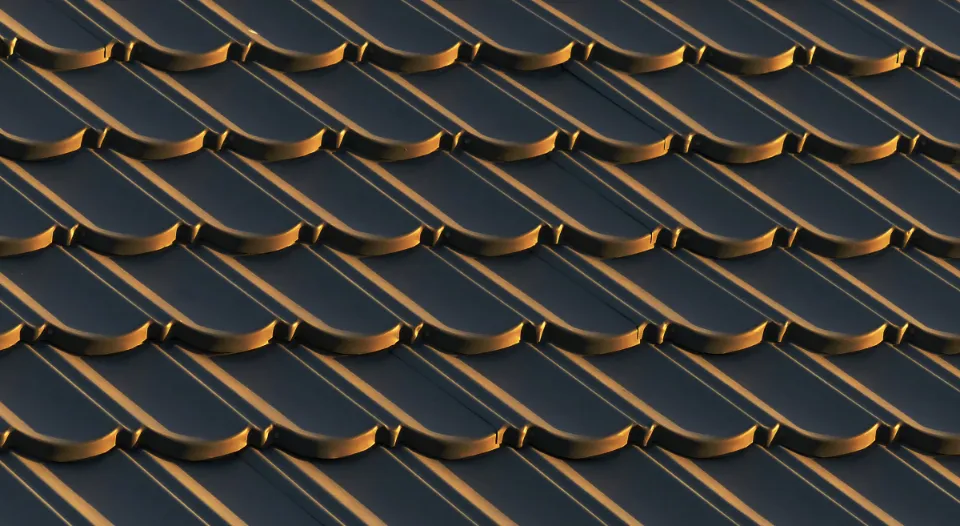
A new roof before solar panels simply means replacing or repairing your roof first, so the panels go onto a surface that is ready to support them for the long haul. Panels are mounted with hardware that attaches to the roof structure and is sealed against water.
The reason it comes up is timing. If a roof wears out while panels are on it, the panels often have to be removed and reinstalled so the roofer can work underneath. That can add labor and coordination, and the details vary by home and contractor.
Not every roof needs to be replaced first. Some roofs are in good shape and can be fine as they are, while others show wear, damage or leaks that are worth addressing before anything is attached. A professional inspection is the usual way to tell the difference.
How it’s traditionally been approached
Many homeowners have traditionally looked at the age and material of the roof, plus any visible signs of wear such as curling, cracked or missing pieces, sagging, or past leaks. If the roof is nearing the end of its expected life, replacing it before solar is a common approach.
Others choose to repair only the problem areas, or to keep the existing roof if it is in sound condition and expected to last as long as the solar system. Some coordinate both jobs with one contractor or with two trades working together, so the schedule lines up.
Roof type also plays a role. Different roofing materials, roof shapes, and the structure underneath can affect how panels are attached and what the work involves. Local building codes and permit rules may also shape the process.
How the right solar installer may help
The right provider, such as a solar roofing and reroofing specialist or a solar installer who works closely with roofers, may help you understand your roof's condition and whether it makes sense to replace it first. A visit generally starts with a look at the roof, the attic or underside if accessible, and the layout where panels might go.
Helpful questions to ask include: How does my roof's age and condition affect this project? Would you recommend repairs or a replacement first, and why? If the roof needs work later, how would panels be removed and reinstalled? How will roof penetrations be sealed, and how are workmanship and roof warranties handled together?
It also helps to ask for everything in writing, including the scope of roof work, who is responsible for what, and how the licenses, insurance, permits and utility interconnection steps are handled. Costs, timelines and incentives vary by home, location, utility and equipment, so rely on a written quote rather than general figures.
The bigger picture
A roof and a solar system are both long-term decisions, and it is natural to feel some pressure about getting the order right. Taking time to understand your roof first can bring peace of mind, because you are less likely to face surprises later. Many people find that a clear plan helps them feel more in control of their home and their energy future.
Money matters are part of the picture too. If you are weighing how to organize the budget for both projects, a resource like Providers.plus may help you think about what kinds of support exist. No single path is right for everyone, and each approach can be a reasonable choice for different households.
Keep in mind
- This page is educational only and is not financial, tax, legal or engineering advice.
- Solar and roof work involves high-voltage electricity and working at height, so it should be done by licensed, insured professionals following local codes, permits and utility rules.
- Incentives and programs change. Confirm what applies with the IRS or a tax professional, your state energy office and your utility before signing anything.
- Be cautious of high-pressure or door-to-door sales tactics, and read the full contract, whether you are paying cash, using a loan, a lease or a power purchase agreement.
Not sure where to start? Answer a few gentle questions and choose who you’d like to hear from.
Talk to a solar pro →Frequently asked questions
Do I need a new roof before solar panels?
Not always. It depends on the roof's age, material and current condition, and on how long you expect the panels to stay in place. A roof inspection by a licensed professional is the usual way to find out whether replacement, repair or no work is the better fit.
Can solar panels be installed on an old roof?
Sometimes, if the roof is in sound condition and the structure can support the system. If the roof is near the end of its life, many homeowners choose to replace it first to avoid removing and reinstalling panels later.
What happens if I need a roof replacement after solar is installed?
The panels typically need to be removed and reinstalled so the roofer can work underneath. This adds coordination and labor, and the details vary by contractor and home. Asking a solar pro about this up front may help you plan.
Should the same company do the roof and the solar?
Some homeowners like one contractor handling both for simpler coordination, while others prefer separate specialists. Either can work. What matters is clear written scope, proper licensing and insurance, and a clear understanding of how warranties fit together.
Does a new roof affect my solar warranty or roof warranty?
It can, because roof and solar warranties cover different things and may have conditions about who did the work. Ask each provider to explain in writing how workmanship and roof penetrations are covered, and read the full contract.
How do I know if my roof is ready for solar panel installation?
A licensed roofer or solar installer can inspect the roof surface, flashing, decking and structure and tell you what they see. Signs like leaks, sagging or heavy wear are worth raising during that visit. Talk to a solar pro to get a written assessment for your home.
Educational resource. 2A Solar shares general information and connects people with independent solar installers. It is not professional advice. Talk with a qualified professional about your own situation.