What it is
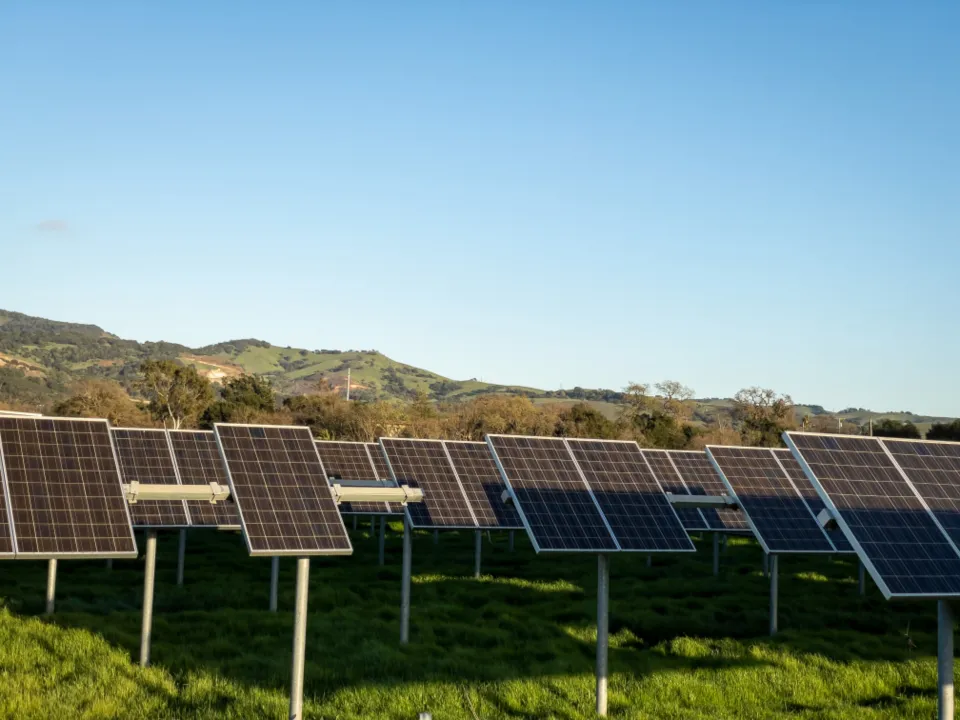
Solar panel installation means mounting panels, usually on a roof or on the ground, and connecting them to your home's electrical system. The panels turn sunlight into electricity that your home can use. A full project generally includes design, permits, equipment, wiring, inspection and utility approval.
Most systems are grid-tied, which means they stay connected to the utility. A grid-tied system typically shuts down during a power outage unless it was designed with storage or backup power. Solar batteries and backup generators are separate options some households consider for added resilience.
Because every home is different, system size, equipment and results vary by roof, shade, location, utility and household energy use. Any numbers that matter to you should come from a written quote for your own property, not from a general web page.
How it’s traditionally been approached
Households have traditionally paid for solar in a few ways: cash, a loan, a lease, or a power purchase agreement (PPA). With cash or a loan, the homeowner generally owns the system. With a lease or PPA, a company usually owns it and the household pays to lease the equipment or buy the power it produces.
Each approach has trade-offs involving ownership, monthly obligations, roof responsibilities and what happens if you sell the home. None is right for everyone. Read the whole contract, including fine print on fees, escalators, warranties, transfer terms and removal.
Federal, state and utility programs related to solar have changed over time and will keep changing. Confirm what applies to you with the IRS or a tax professional, your state energy office and your utility before you sign. Military families who move often may also want to think about how a long contract fits their plans.
How the right solar installer may help
The right solar installer may help you sort through the options in plain language. A typical first visit or call often includes a look at your roof, electrical panel, energy use and goals, such as lower dependence on the grid, backup power or both. A good installer may explain tradeoffs and not just push one product.
Questions you may want to ask include: Are you licensed and insured in my state? Who pulls the permits and handles utility interconnection? Who does the work, your own crew or subcontractors? What warranties cover equipment and workmanship, and who services them? Can I have everything in writing, including a full quote?
It's also fair to ask how the installer handles financing, what happens if you move, and whether you can take the contract home to review. Be cautious with high-pressure sales, door-to-door pitches and any 'sign today' deadline. A trustworthy installer will usually welcome comparison quotes and your questions.
The bigger picture
A solar decision touches more than the roof. It can affect household budgets, long-term plans and your sense of preparedness. For veterans and military families, who may be used to mission-minded planning and clear information, trust and transparency often matter as much as equipment.
Taking your time, asking questions and comparing written quotes can bring peace of mind. If the money side feels stressful, Providers.plus may help you find other educational resources and support. There is no single right path, and many approaches can fit different homes and families.
Keep in mind
- Solar and battery work involves high-voltage electricity and roof work, so use licensed, insured professionals who follow local codes, permits and utility rules.
- Costs, savings, financing terms and production vary by home, location, utility and equipment, and should come from a written quote.
- Incentives and net metering rules change, so confirm with the IRS or a tax professional, your state energy office and your utility before signing.
- Read the full contract, avoid high-pressure sales and never feel rushed into a decision.
Solar installers who often help
Get matched privatelyFrequently asked questions
How do I find a trustworthy solar panel installation company as a veteran?
Start by looking for installers who are licensed and insured in your state and who will put everything in writing. Ask for references, compare more than one written quote and check how they handle permits and utility approval. Our directory can help you reach independent installers through Talk to a solar pro.
Is solar panel installation worth it for a military family that moves often?
It depends on your situation, how long you expect to stay and how the system is paid for. Ownership, leases and PPAs each handle a home sale differently, so ask how a move would be handled before signing. A written quote and a tax professional can help you weigh it.
What is the difference between buying, leasing and a PPA for solar panels?
Buying with cash or a loan generally means you own the system, while a lease or PPA usually means a company owns it and you pay over time. Each has different obligations, terms and transfer rules. Read the full contract and ask for plain-language explanations.
Will solar panels work during a power outage?
Usually not, if the system is grid-tied, because it shuts down for safety unless it was designed with storage or backup. Solar batteries or backup power can be added in some designs. Ask your installer exactly what your system would and would not power in an outage.
Are there solar incentives or benefits I can use?
Programs change often, so there is no one answer that stays true. Federal, state and utility programs can come and go or change their terms. Confirm with the IRS or a tax professional, your state energy office and your utility before you sign.
What should I watch for in a solar contract?
Look carefully at the total terms, payment schedule, fees, warranties, who owns the equipment and what happens if you sell or move. Be wary of high-pressure sales, door-to-door tactics and deadlines to sign right now. Take the contract home and have a professional review it if you can.
Educational resource. 2A Solar shares general information and connects people with independent solar installers. It is not professional advice. Talk with a qualified professional about your own situation.