What it is
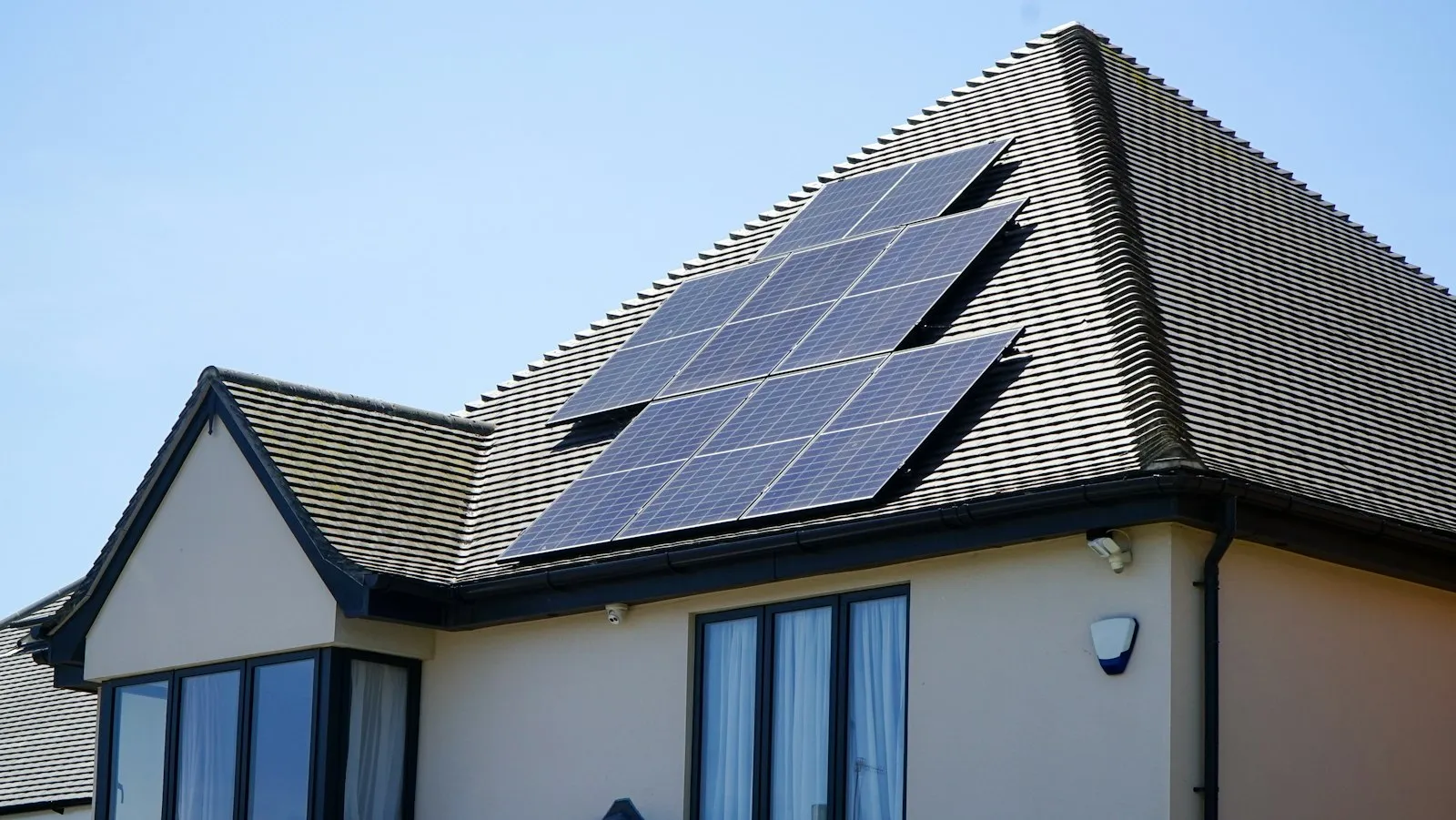
Solar panel installation means placing panels that turn sunlight into electricity, then connecting them to your property through wiring, inverters and, sometimes, batteries. On acreage, panels may sit on a roof, on a pole, or on a ground-mount rack out in an open field.
Rural properties often have different needs than a house in town. You might have a well pump, livestock water, electric fencing, a gate opener, shop tools or a barn far from the main meter. Each of these loads behaves differently, and a system is generally sized around how and when you use power.
Systems come in a few broad types. Grid-tied systems work alongside the utility, off-grid systems stand alone with batteries and often a backup generator, and hybrid systems combine both. A grid-tied system without storage or backup design typically shuts down during an outage, which surprises many owners.
How it’s traditionally been approached
Rural landowners have long relied on a mix of utility lines, generators, propane and, in remote spots, wind or small solar setups. Running utility service to a far-off building or well can be a significant project, so many people have weighed that against creating power on-site.
Generators have been a common choice for backup and remote work because they are familiar and flexible. They also need fuel, maintenance and attention. Others have used small stand-alone solar for single jobs like a stock tank pump or a gate, keeping things simple.
Larger systems for homes, shops and working farms have become more common as equipment has evolved. Each approach has trade-offs in upkeep, reliability, space and upfront commitment, and none is right for everyone.
How the right solar installer may help
The right solar installer may help you sort out which buildings and loads matter most. A visit often includes walking the property, looking at roof condition and sun exposure, considering ground-mount locations, checking distances to your panel or meter, and talking about how you use power through the seasons.
A good pro may also explain permitting, local codes and utility interconnection rules, and how a system could be designed for backup if outages are a concern. Solar and battery work involves high-voltage electricity and roof work, so it should be done by licensed, insured professionals, not as a DIY wiring project.
Useful questions to ask: What licenses and insurance do you carry? How will the system handle an outage? What is the plan for trenching, soil, livestock and equipment access? What does the written quote include, and what are the warranty terms? Ask about cash, loan, lease and power purchase agreement options, read the full contract, and be cautious of high-pressure or door-to-door sales.
The bigger picture
Power is tied to peace of mind on a ranch or rural property. Knowing the well pump, the freezer, the shop and the gate are likely to keep working can ease stress, while uncertainty about costs, contracts or incentives can add to it. Taking time to learn first often helps you feel steadier about the decision.
Energy independence is also about preparedness and self-reliance, and it works best alongside realistic budgeting. If the financial side feels heavy, a resource like Providers.plus may help you think through the wider picture of your household's wellbeing. Every approach, from grid power to generators to solar, has a place depending on your goals.
Keep in mind
- Costs, savings, production and payback vary by home, location, utility and equipment, and should come from a written quote.
- Federal, state and utility incentives and net metering rules change often. Confirm with the IRS or a tax professional, your state energy office and your utility before signing anything.
- Grid-tied systems generally shut down in an outage unless designed with storage or backup.
- This page is educational only and is not financial, tax, legal or engineering advice. Always use licensed, insured professionals and follow local codes, permits and utility rules.
Solar installers who often help
Get matched privatelyFrequently asked questions
Is solar panel installation a good fit for a barn or shop far from the house?
It can be, because solar can sometimes make power where running utility lines would be difficult. Whether it fits depends on your loads, sun exposure and distance. A solar pro can review the site and explain options in a written quote.
Can solar panel installation power a well pump?
Often it can be designed to, but it depends on the pump type, how it starts and how much water you use. A qualified installer can look at your pump and recommend a suitable design. Pumps are a load worth raising early in any conversation.
Should I choose roof-mount or ground-mount solar on my acreage?
Neither is always better. Roof-mount uses existing structures, while ground-mount offers flexibility in placement and angle and can be placed away from shade. A pro can compare both for your land, roof condition and access needs.
Will my solar system work during a power outage?
Not always. A grid-tied system generally shuts down during an outage unless it is designed with storage or backup. If outages matter to you, ask about battery or hybrid designs.
What is the difference between grid-tied and off-grid solar for rural property?
Grid-tied systems connect to the utility, while off-grid systems operate independently, usually with batteries and sometimes a generator. Off-grid can suit remote spots without utility service but needs careful planning. A solar pro can explain the trade-offs for your property.
Are there incentives for rural solar panel installation?
Programs vary and change over time, so do not assume any are available. Confirm current options with the IRS or a tax professional, your state energy office and your utility before signing a contract.
Educational resource. 2A Solar shares general information and connects people with independent solar installers. It is not professional advice. Talk with a qualified professional about your own situation.