What it is
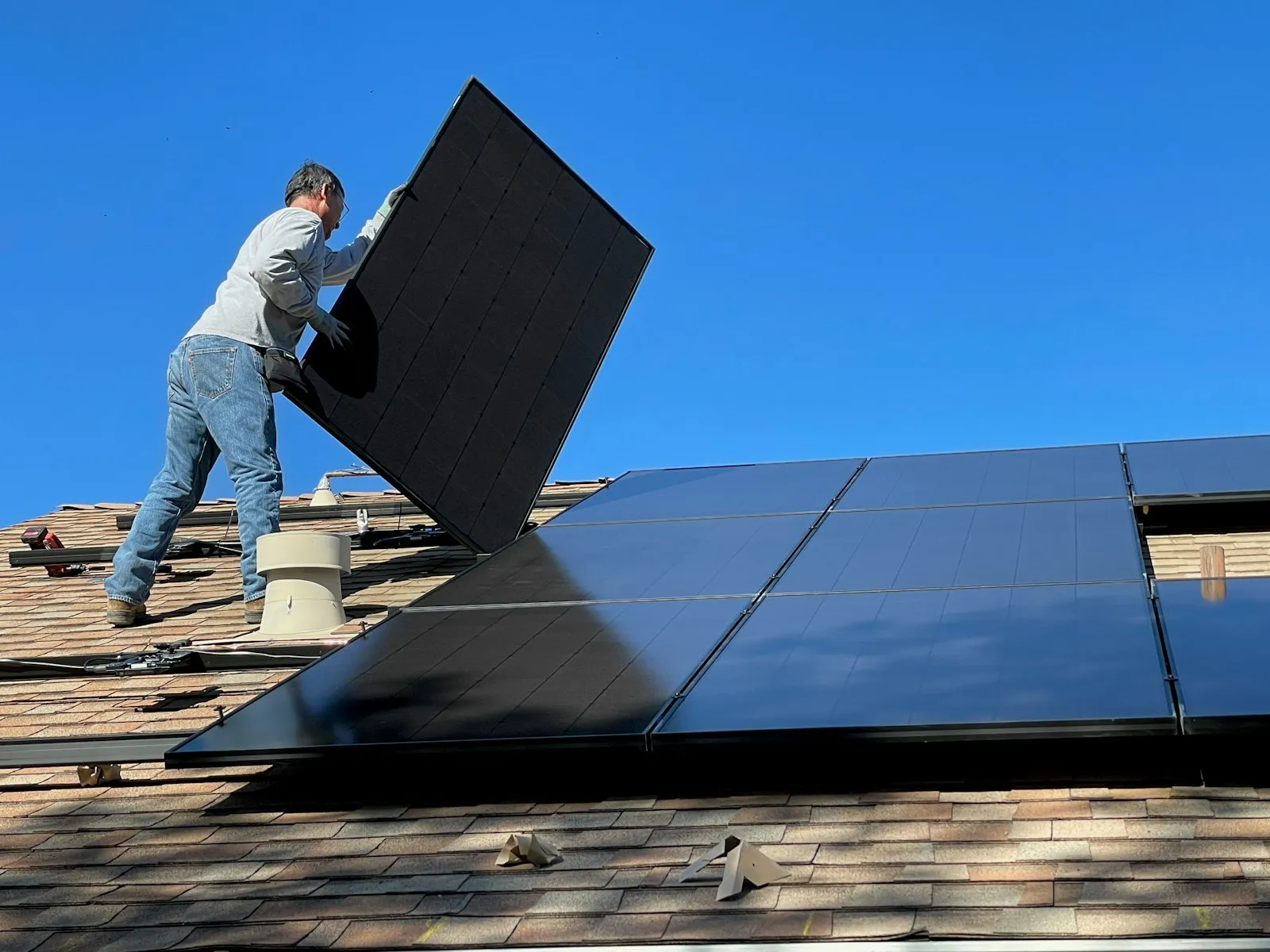
Solar panel installation means mounting panels on a roof or on the ground and connecting them to your home's electrical system so sunlight can be turned into household electricity. For preparedness-minded families, the real question is often what keeps running when the grid goes down.
Many solar systems are grid-tied. That means they are designed to shut down during a utility outage for safety reasons, unless the system was built with storage or a backup-capable design. Panels alone usually do not keep the lights on when the grid fails.
Adding a home battery, sometimes called energy storage, lets a system hold power and feed selected circuits during an outage. Some families also look at off-grid designs, or at combining solar with a generator. What fits depends on your home, your location, your utility and the equipment chosen.
How it’s traditionally been approached
For many years, the common answer to outages was a fuel-powered generator, either portable or permanently installed. Generators can power important loads, but they need fuel, maintenance and safe placement and operation.
Other households have relied on stored supplies, wood heat, small portable power units or simply waiting out the outage. These choices reflect different budgets, climates, home types and comfort levels, and each has its place.
Solar with storage is a newer layer many families consider, sometimes alone and sometimes alongside a generator. Some choose a whole-home approach, while others back up only essentials such as refrigeration, lighting, communications and medical devices. Neither path is right for everyone.
How the right solar installer may help
A qualified solar installer may help you turn a general wish for backup power into a clear plan. A visit often starts with a conversation about what you want to keep running, such as a refrigerator, well pump, internet, heating or cooling controls, or medical equipment. The installer may also look at your roof, electrical panel, shade and available space.
Good questions to ask include: Will this system work during an outage, and for how long? Which circuits are backed up? How does it work if the sun is limited? Can it work with a generator I already own or may add later? Who handles permits and the utility interconnection process?
Also ask about licensing and insurance, warranties on panels, batteries and workmanship, and what happens if you sell your home. Ask for everything in a written quote. Pricing, savings and production vary by home, location, utility and equipment, so numbers should come from that quote, not from a web page.
The bigger picture
Being ready for an outage can bring real peace of mind, especially for families with young children, older relatives, pets or someone who relies on powered medical equipment. Feeling prepared may also reduce stress during storms and other emergencies. At the same time, a solar purchase is a large financial decision, and it is reasonable to take your time, compare options and weigh it against your budget.
No single approach is the right one. Some families will feel best with a battery system, others with a generator, and others with a mix. If you are also thinking through wider planning, Providers.plus may help you find other trusted professionals. Choose the path that fits your household and your comfort level.
Keep in mind
- This page is educational only and is not financial, tax, legal or engineering advice.
- Solar and battery work involves high-voltage electricity and roof work, so it should be done by licensed, insured professionals following local codes, permits and utility interconnection rules. Never attempt DIY wiring.
- Federal, state and utility incentives and net metering programs have changed and keep changing. Confirm what applies with the IRS or a tax professional, your state energy office and your utility before you sign.
- Be cautious of high-pressure sales and door-to-door tactics. Read the full contract, and understand whether you are paying cash, taking a loan, or signing a lease or power purchase agreement.
Solar installers who often help
Get matched privatelyFrequently asked questions
Will solar panels power my home during a blackout?
Not always. Most grid-tied solar systems shut off during a utility outage for safety reasons. To keep power on, a system generally needs battery storage or another backup-capable design, so ask your installer exactly how the system behaves in an outage.
What is solar panel installation with battery backup?
It is a solar setup that includes energy storage so your home can keep running selected circuits when the grid is down. The battery stores energy from the panels or the grid and releases it when needed. A licensed installer can explain what a design would back up in your home.
Can a solar battery run my whole house?
It depends on the home, the equipment and your electrical loads. Some systems are designed to back up the whole house, while others cover only essential circuits. Ask for a written plan that lists what would and would not run, and for how long.
Is solar better than a generator for outages?
Neither is better for everyone. Generators run on fuel and need upkeep, while solar with storage uses sunlight and a battery and has different equipment needs. Some families use both for added flexibility. A solar pro can help you compare them for your situation.
What is an off-grid solar system?
An off-grid system is not connected to the utility and produces and stores all of its own power. It usually needs careful sizing and planning, often with batteries and sometimes a generator for backup. It is a bigger design decision than a typical grid-tied setup, so work with qualified professionals.
How do I find a solar installer for solar panel installation?
Start by talking to licensed, insured local installers and compare written quotes, warranties and the details of backup capability. Confirm incentives with the IRS or a tax professional, your state energy office and your utility. When you are ready, use Talk to a solar pro on our solar page at contacts.plus.
Educational resource. 2A Solar shares general information and connects people with independent solar installers. It is not professional advice. Talk with a qualified professional about your own situation.