What it is
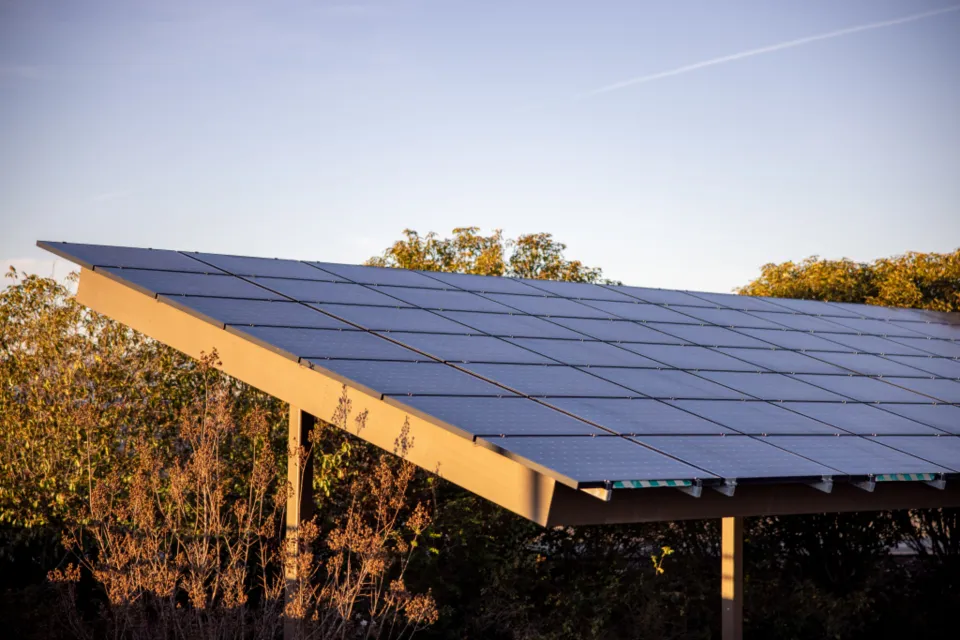
Solar panel installation is the process of putting photovoltaic panels on a roof or on the ground so they can turn sunlight into electricity for your home. The system usually includes panels, inverters, mounting hardware, wiring, and a connection to your home's electrical panel.
Most homes use a grid-tied system, which works alongside the utility. A basic grid-tied system generally shuts down during a power outage for safety reasons unless it was designed with batteries or other backup. Adding home energy storage is a separate design choice many homeowners consider for preparedness.
Whether solar "pencils out" depends on several things: how much electricity you use, how much sun your roof gets, its direction, shade and condition, how your utility bills and credits solar production, and how you pay for the system. These details vary widely, so no single answer fits every household. Any figures should come from a written quote for your home.
How it’s traditionally been approached
Homeowners have long compared solar to simply continuing to pay the utility. Many start by studying past power bills to see how much they use and when, then ask installers to size a system around that pattern.
Payment has traditionally followed a few paths: paying cash, financing with a loan, or signing a lease or power purchase agreement where another company owns the equipment. Each has different ownership, responsibility and long-term terms, and none is right for everyone.
Programs such as federal tax incentives, state or local rebates and utility net metering or similar billing rules have shaped the decision for many people, but they have changed and keep changing. Always confirm current details with the IRS or a tax professional, your state energy office and your utility before signing anything.
How the right solar installer may help
A good solar installer may begin by looking at your recent power bills and your utility's billing structure, then inspecting your roof's age, condition, angle and shading. Some installers also look at your electrical panel and discuss whether roofing work should happen first. A site visit is generally a conversation and assessment, not a commitment.
Helpful questions to ask include: Are you licensed and insured in my state? Who handles permits and utility interconnection? What does the written quote assume about my usage and my utility's rules? What are the warranties on panels, inverters and workmanship? What happens if I sell my home or need roof repairs?
It may also help to ask for options side by side, such as a cash or loan purchase compared with a lease or power purchase agreement, with and without battery storage. Read the full contract, take your time, and be cautious with high-pressure or door-to-door sales tactics. Getting more than one quote may give you a better picture.
The bigger picture
Rising power bills can wear on your peace of mind, especially when the monthly amount feels out of your control. Many homeowners are drawn to solar by the idea of more self-reliance and preparedness, but it's also a long-term financial decision that deserves calm, unhurried thought. Choosing to stay with the utility, wait, or go solar can each be reasonable depending on your situation.
Gathering clear information tends to ease the stress. If you want help organizing the bigger picture of your household decisions, Providers.plus is one place people look for support. Whatever you choose, a decision made with full information and without pressure usually feels better down the road.
Keep in mind
- This page is educational only and is not financial, tax, legal or engineering advice.
- Costs, savings, payback time and production vary by home, location, utility and equipment, and should come from a written quote.
- Incentives and utility programs change often, so confirm with the IRS or a tax professional, your state energy office and your utility before signing.
- Solar and battery work involves high-voltage electricity and roof work, so use licensed, insured professionals who follow local codes, permits and utility interconnection rules. Next step: Talk to a solar pro.
Solar installers who often help
Get matched privatelyFrequently asked questions
Does solar panel installation pay off for my home?
It may, but it depends on your electricity use, roof, sun exposure, utility billing rules and how you pay for the system. The only reliable way to know is a written quote based on your own bills and roof. Compare more than one quote and confirm incentives before signing.
How do I know if my roof is right for solar panels?
An installer generally checks your roof's age, condition, direction, slope and shading. If your roof needs repair or replacement soon, it's often worth discussing that before panels go on. A solar roofing provider may help coordinate both.
Will my solar panels work during a power outage?
Not always. A standard grid-tied system typically shuts down during an outage for safety unless it was designed with battery storage or backup capability. If outage protection matters to you, ask installers about storage options.
Is it better to buy solar or lease it?
Neither is better for everyone. Buying with cash or a loan generally means you own the system, while a lease or power purchase agreement usually means another company owns it and you agree to long-term terms. Read the full contract and compare written offers.
Are there tax credits or rebates for solar panel installation?
Federal, state and utility programs have changed over time and may change again, so don't assume any are available. Confirm current details with the IRS or a tax professional, your state energy office and your utility before you sign.
How do I avoid solar sales scams or pressure?
Be cautious with door-to-door pitches, limited-time deals and anyone who discourages you from reading the contract. Verify licensing and insurance, get quotes in writing and take your time. A trustworthy installer should welcome your questions.
Educational resource. 2A Solar shares general information and connects people with independent solar installers. It is not professional advice. Talk with a qualified professional about your own situation.