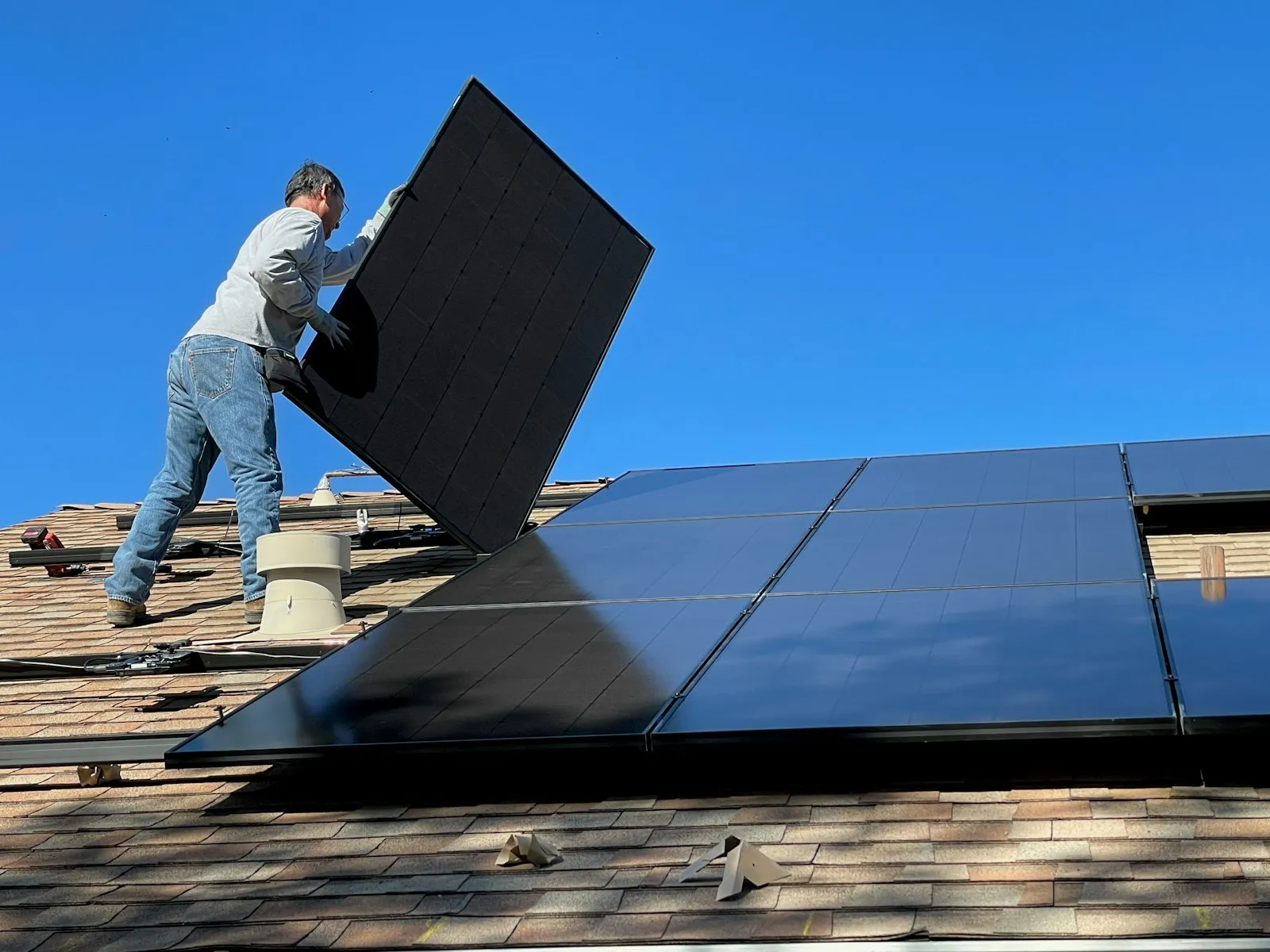
What it is
Owning solar is not a one-time event. After the original solar panel installation, a system is a set of connected parts: panels, mounting hardware, wiring, one or more inverters, and often a monitoring app. Each part can age, wear or need attention over time.
Common needs include repairs when production seems off or equipment shows a fault, monitoring to see how the system is performing, a battery add-on for backup power or energy storage, and roof work when shingles or underlayment beneath the panels reach the end of their life.
These needs often overlap. A roof replacement means panels must be carefully removed and reinstalled. A battery add-on may touch your electrical panel and utility rules. A monitoring alert might point to a wiring or inverter issue. Knowing which category you are in helps you ask better questions.
How it’s traditionally been approached
Many owners have traditionally relied on the original installer for service, checking the warranty paperwork first. That works well when the company is still in business and responsive, though some owners find their installer has changed, merged or closed.
Others check their monitoring app or utility bill when something seems off, then call a maintenance or repair provider. Some owners hire a roofer for roof work and a separate solar company to detach and reset the panels, while others look for one provider who coordinates both.
Battery add-ons have usually been handled by installers who work with storage and backup wiring. Owners with leased or financed systems often have contract terms that affect who can service, modify or move equipment, so reading the agreement matters.
How the right solar installer may help
The right solar pro may start by reviewing your system's age, equipment, warranties and any monitoring data. A visit often includes inspecting panels, racking, wiring and the inverter, and discussing what you have noticed, such as alerts, shading changes or roof leaks.
For a battery add-on, a qualified installer may explain how storage works with your existing system, what a grid-tied system does in an outage, and what backup could realistically cover. For roof work, they may explain how panels are detached and reset and how the roof and solar work are coordinated.
Useful questions: Are you licensed and insured? Will you pull permits and handle utility interconnection? How is the work warrantied, and does it affect my existing warranties? What is in the written quote? Costs, savings and timelines vary by home, location, utility and equipment, and should come from a written quote.
The bigger picture
Having solar can bring a sense of independence, and a silent fault or an aging roof can quietly erode that peace of mind. Getting clarity about your system's condition can reduce worry and help you plan rather than react. Preparedness, like considering backup power, is a personal choice with no single right answer.
Maintenance and upgrades also touch the household budget. Taking your time, comparing written quotes and avoiding pressure can help you decide calmly. If you are weighing broader financial or wellbeing questions, Providers.plus may help you find other educational resources.
Keep in mind
- Solar and battery work involves high-voltage electricity and roof work, so it should be done by licensed, insured professionals following local codes, permits and utility rules. Do not attempt DIY wiring.
- Incentives, rebates and net metering rules change. Confirm current details with the IRS or a tax professional, your state energy office and your utility before signing anything.
- Be cautious of high-pressure sales and door-to-door offers, and read the full contract, whether cash, loan, lease or power purchase agreement.
- This is educational information only, not financial, tax, legal or engineering advice, and 2A Solar is an independent directory, not a professional advisor.
Solar installers who often help
Frequently asked questions
Who can help if my original solar panel installation company is gone?
A different licensed solar maintenance or repair provider may be able to service your system. They will usually want to review your equipment, paperwork and warranties first. Ask whether their work could affect any remaining manufacturer warranties.
Can I add a battery to an existing solar system?
In many cases, yes, but it depends on your equipment, electrical panel and utility rules. A licensed installer can assess whether your current inverter and wiring work with storage. Cost and design vary and should come from a written quote.
What happens to my panels if I need a new roof?
Panels typically need to be carefully detached and reinstalled so the roof beneath can be replaced. This is best coordinated between roofing and solar professionals who are licensed and insured. Ask who is responsible for the work and any warranty on it.
Why does my solar monitoring show low production?
Low readings can have many causes, including shading, weather, dirt, equipment faults or a communication issue with the monitoring itself. A solar maintenance pro can inspect the system to help find the reason. Avoid climbing on the roof or opening electrical equipment yourself.
Will my solar system work during a power outage?
A standard grid-tied system shuts down during an outage for safety unless it was designed with storage or backup capability. If outage readiness matters to you, ask a licensed installer about battery storage and backup options.
How do I choose a pro for solar panel installation add-ons or repairs?
Look for licensed, insured professionals who explain their process, provide a written quote and handle permits and utility interconnection. Compare more than one quote and read the full contract. Confirm any incentive questions with the IRS or a tax professional, your state energy office and your utility. When you are ready, Talk to a solar pro.
Educational resource. 2A Solar shares general information and connects people with independent solar installers. It is not professional advice. Talk with a qualified professional about your own situation.