What it is
Solar panel installation for an off-grid cabin or homestead usually means a complete, stand-alone power system. Panels collect sunlight, a charge controller manages that energy, batteries store it, and an inverter turns it into household power. Some people also keep a generator as a backup source.
Unlike a grid-tied home, an off-grid system has no utility to fall back on. If the batteries run low after several cloudy days, the lights and pumps feel it. That is why sizing matters so much: the system is built around your loads, your climate and your habits.
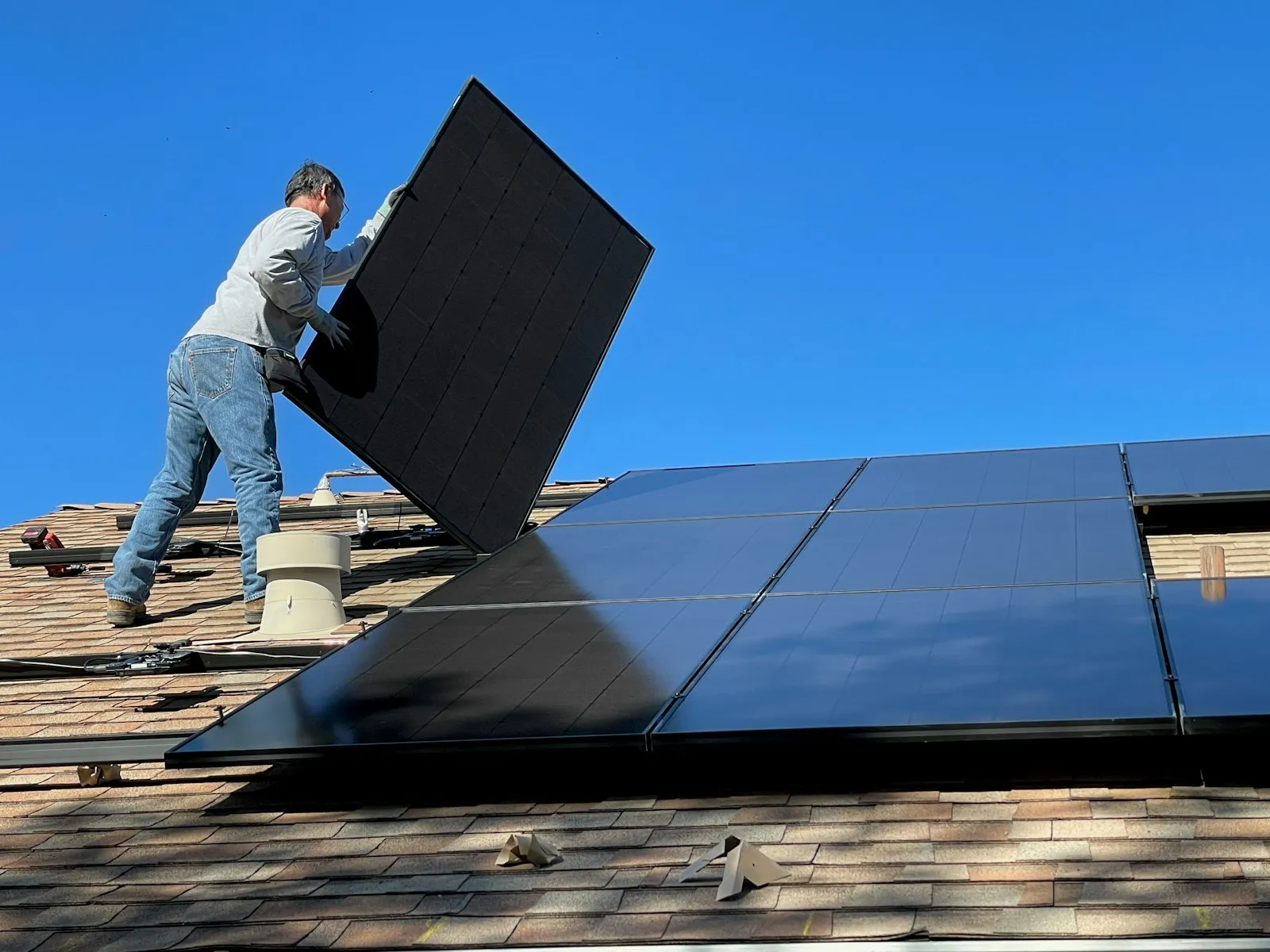
Panels can go on a roof, but many homesteads use ground-mount solar. A ground mount can be angled and placed in a sunny clearing away from trees, and it keeps roof work off an older cabin. The best choice depends on your land, shade, snow and soil.
How it’s traditionally been approached
For many years, remote cabins relied on propane, kerosene lamps, wood heat and gas generators. These approaches are familiar and can work well, though they usually mean regular fuel hauling, noise and maintenance.
Early off-grid solar was often a small set of panels and a few batteries for lights and a radio. Many owners added to these systems over time as their needs grew, sometimes by trial and error.
Today, some owners choose a hybrid approach that combines solar, battery storage and a generator for long stretches of poor weather. Others stay with simple setups for occasional weekend use. Each approach reflects different priorities, budgets and comfort with maintenance.
How the right solar installer may help
The right solar installer may help you turn "how we live" into a realistic power plan. A visit often starts with questions about what you run: well pump, freezer, tools, internet, workshop equipment, guests, and how that changes through the seasons. Many installers will also look at your site for sun exposure, shade, terrain, snow load and where equipment could safely sit.
From there, a qualified pro may explain the options for panels, mounting, batteries, inverters and backup generation, and how each choice affects reliability and upkeep. Good questions to ask include how the system handles several cloudy days, how it can grow later, what the battery type means for maintenance and cold weather, and what happens if a component fails far from town.
Because this work involves high-voltage electricity and often remote building sites, ask about licensing, insurance, local codes and permits. Request a written quote that spells out equipment, scope, warranties and who handles service. Read the whole contract, be cautious with high-pressure or door-to-door sales, and compare more than one quote before you decide.
The bigger picture
Power at a cabin or homestead is about more than convenience. Knowing the water pumps, refrigeration and lights will keep working can bring real peace of mind, especially when you are a long way from help. Self-reliance often feels good, but it also asks for some learning and regular attention.
Money matters too. A system that is too small can leave you frustrated, and one that is too large can stretch your budget. Taking time to understand your needs, and getting help from people who do this for a living, can make the decision feel calmer. If financial planning is part of the picture, Providers.plus can help you find other professionals.
Keep in mind
- Costs, savings, production and payback vary by property, location, equipment and usage, so rely on a written quote rather than general claims.
- Incentives and rebates change often. Confirm what applies with the IRS or a tax professional, your state energy office and your utility before signing anything.
- Solar and battery work involves high-voltage electricity and roof or ground-mount construction, so use licensed, insured professionals who follow local codes and permits. Do not attempt wiring yourself from general information.
- Cash purchases, loans, leases and power purchase agreements work differently, so read the full contract and take your time. Grid-tied systems shut down in an outage unless designed with storage or backup.
Solar installers who often help
Get matched privatelyFrequently asked questions
What is solar panel installation for an off-grid cabin?
It is the process of setting up panels, a charge controller, batteries and an inverter so your cabin can make and store its own power without a utility connection. The design is based on your loads and local sunlight. A licensed installer can help plan and install it safely.
How do I size a solar system for my homestead?
Sizing starts with what you actually use, such as pumps, appliances, tools and seasonal changes, along with your site's sun exposure. An installer may walk through these with you and propose a design. Results vary by property, so ask for the assumptions in writing.
Do I need batteries for an off-grid solar system?
Generally yes, because batteries store energy for nights and cloudy weather when you have no grid to rely on. Some owners add a generator as a backup. An installer can explain battery types, maintenance and cold-weather considerations.
Is ground-mount solar better than roof panels for a cabin?
Neither is always better, since it depends on your land, shade, roof condition and snow. Ground mounts can be aimed at the sun and avoid roof work, while roof mounts use existing structure. A site visit can help you compare.
Do I need a permit for solar panel installation on my land?
Often yes, but requirements differ by county, state and utility rules. Rural areas may have different processes than cities. A licensed installer typically knows local codes, and you should confirm with your local building office.
Are there incentives for off-grid solar?
Programs have changed and keep changing, so no one can promise what is available to you today. Confirm with the IRS or a tax professional, your state energy office and your utility before you sign. This page is educational, not tax or financial advice.
Educational resource. 2A Solar shares general information and connects people with independent solar installers. It is not professional advice. Talk with a qualified professional about your own situation.